Key facts
- USDA declared a drought disaster for 26 Puerto Rico municipalities on Aug. 26, 2026.
- More than one-third of Puerto Rico is under extreme drought and another large share is in severe drought.
- San Juan recorded its driest July in more than 120 years, according to federal climate data.
- Puerto Rico activated emergency measures including National Guard support and rotating water rationing.
- The declaration allows affected farmers and agricultural producers to seek emergency loans.
Federal help arrives as the drought keeps spreading
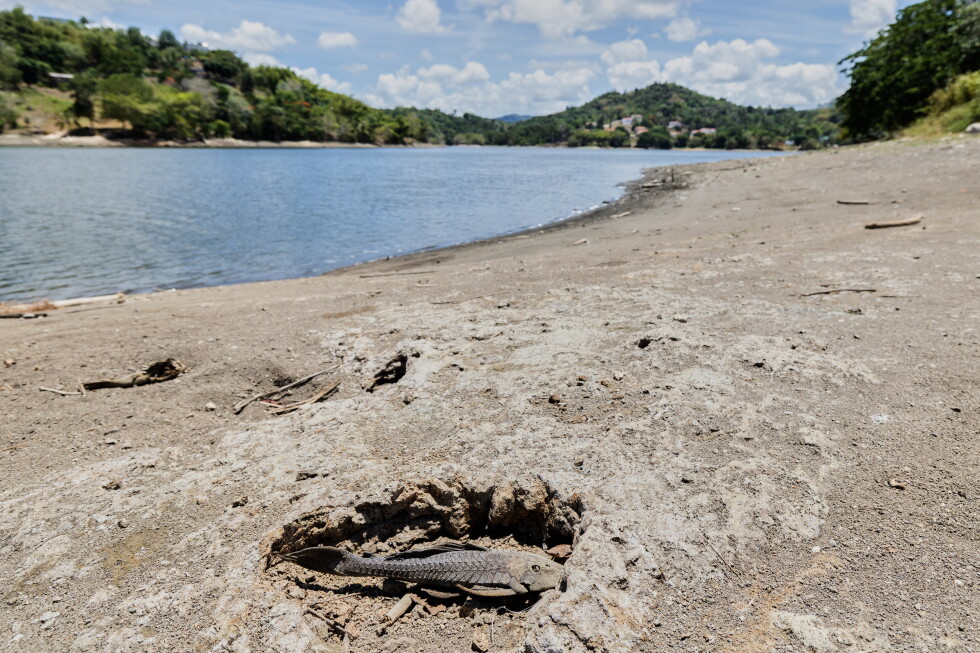
Puerto Rico’s worsening drought has moved from a weather emergency to a broader economic and humanitarian strain, with the U.S. government declaring a drought disaster for 26 municipalities and opening the door to emergency farm loans. The declaration came after weeks of intensifying dry conditions across the island, where more than a third of the territory is in extreme drought and another large share is in severe drought, according to drought-monitoring data and federal climate assessments. Officials say the combination of scarce rain, heat and depleted reservoirs has left little room for recovery in the short term. ([apnews.com](https://apnews.com/article/b4fe620ecbb2272576e79d140f0180dd?utm_source=openai))
The federal action is especially important for agricultural producers in the affected municipalities, because it provides a formal path to disaster assistance. Puerto Rico’s Agriculture Department has urged farmers to document losses so they can seek support, while the governor’s office said the U.S. Department of Agriculture’s approval followed a request made more than two weeks earlier. The municipalities covered include many of the island’s farming areas in the south and west, where growers have reported falling yields, damaged irrigation access and rising costs for emergency water. ([prfaa.pr.gov](https://www.prfaa.pr.gov/recent-press-releases/governor-announces-usda-approval-of-drought-disaster-declaration-for-puerto-rico?utm_source=openai))
Farmers say the drought is already reshaping production
On the ground, the impact is not abstract. Farmers interviewed in Puerto Rico have described cracked soil, stressed trees and fruit dropping before it ripens. One producer, Naia Seda, told reporters her farm in Lajas has gone months without rain, leaving avocados, plantains, lemons and cassava under severe stress. She said the irrigation supply that once arrived several times a week was reduced to once weekly, forcing growers to rethink planting and harvest plans. That pattern reflects a wider agricultural squeeze that federal drought trackers have also flagged, including stalled pasture growth and reduced output across multiple crops. ([apnews.com](https://apnews.com/article/b4fe620ecbb2272576e79d140f0180dd?utm_source=openai))
Federal and regional drought updates say fruit, vegetable and livestock producers are all feeling pressure. The U.S. Drought Monitor noted unofficial reports of a steep decline in coffee production and lower yields of peppers and fruit, while drought.gov said grazing areas in some parts of Puerto Rico had become completely dry. The losses are not limited to crops. Livestock producers have also been forced to sell young animals at distressed prices or reduce herd sizes because feed is scarce and pasture conditions are poor. ([droughtmonitor.unl.edu](https://droughtmonitor.unl.edu/services/data/summary/html/usdm_summary_20260804.html?utm_source=openai))
For small and midscale farmers, that combination can quickly become a cash-flow crisis. One technical assistance provider described growers taking side jobs to stay afloat after months of losses, showing how a climate event can ripple into household income, farm labor and local food supply at the same time. The disaster declaration may soften the blow for some producers, but it does not erase the immediate challenge of keeping farms operating when water itself is the limiting factor. ([apnews.com](https://apnews.com/article/b4fe620ecbb2272576e79d140f0180dd?utm_source=openai))
San Juan’s record dryness underscores the scale of the crisis
The drought has hit Puerto Rico’s population centers as well as its farms. Federal climate summaries say July 2026 was extraordinarily dry in San Juan, with the city recording its driest July in more than a century and one of its hottest as well. NOAA’s climate reporting and the U.S. Drought Monitor both point to a large share of the island now facing drought conditions, with the dry spell intensifying through August. ([ncei.noaa.gov](https://www.ncei.noaa.gov/news/national-climate-202607?utm_source=openai))
That dryness has forced water rationing in and around the capital and in other cities. Puerto Rico’s governor declared a state of emergency in late July, activated the National Guard to help transport, distribute and purify water, and then rolled out rotating service interruptions in some neighborhoods. Officials said more than 180,000 customers were affected by periodic 48-hour outages, with water trucks prioritized for hospitals and elder-care residences. The measures reflect how quickly a drought can become a public-service crisis when stored water levels and local supply systems are under pressure at the same time. ([apnews.com](https://apnews.com/article/b4fe620ecbb2272576e79d140f0180dd?utm_source=openai))
Infrastructure problems are making the drought worse
Even before the current dry spell, many Puerto Ricans were already dealing with weak water service. Reporting from the island has shown that thousands of customers had experienced low pressure or interruptions for months, and San Juan’s mayor previously sued the island’s water and sewer utility over supply problems that were not solely caused by the drought. The governor has also acknowledged that the utility has suffered from years of underinvestment and poor maintenance, which means reservoirs, pipes and distribution systems are less resilient when rainfall drops. ([apnews.com](https://apnews.com/article/b4fe620ecbb2272576e79d140f0180dd?utm_source=openai))
That distinction matters. In other words, the drought is acting as a trigger, but the depth of the water crisis is being amplified by aging infrastructure. A territory can survive a single dry month more easily than it can absorb a prolonged event when leaks, storage limits and service interruptions already exist. For residents, this means the emergency is not just about weather patterns; it is also about how water is captured, treated and delivered. ([apnews.com](https://apnews.com/article/b4fe620ecbb2272576e79d140f0180dd?utm_source=openai))
What the outlook means for Puerto Rico
Meteorological agencies say the current pattern is tied to broad-scale climate conditions in the Caribbean, with El Niño cited by federal forecasters as one factor contributing to suppressed rainfall. The climate prediction outlooks and drought updates suggest little near-term relief, with forecasts favoring below-normal precipitation and above-normal temperatures over the coming months. That points to continued stress on reservoirs, farms and household supply systems unless the weather pattern shifts in a meaningful way. ([cpc.ncep.noaa.gov](https://www.cpc.ncep.noaa.gov/products/expert_assessment/mdo_discussion.php?utm_source=openai))
Puerto Rico has dealt with water rationing before, including in 2015 and again in 2020, but the current episode stands out because it is unfolding alongside record dryness in San Juan and widespread agricultural damage. The federal disaster declaration may help farmers access emergency loans, yet the bigger question for the island is how long the combination of drought and infrastructure strain can be sustained before the costs spread further through the economy. For now, the crisis is a reminder that drought is not only a climate story. In Puerto Rico, it is also a story about food production, public health, utility reliability and the vulnerability of essential services when rain fails to arrive. ([apnews.com](https://apnews.com/article/b4fe620ecbb2272576e79d140f0180dd?utm_source=openai))
Bottom line
Puerto Rico’s drought has crossed a threshold: it is now affecting farms, city water service and the island’s broader emergency response. Federal aid offers short-term relief for some producers, but the underlying combination of record dryness, heat and weak infrastructure remains unresolved. ([apnews.com](https://apnews.com/article/b4fe620ecbb2272576e79d140f0180dd?utm_source=openai))
Sources: