Key facts
- Four Coast water utilities were disconnected from bulk supply over unpaid bills.
- Nation reported the outstanding debt at Sh5.5 billion.
- The affected utilities serve parts of Mombasa, Kwale, Kilifi and Taita-Taveta counties.
- Historical reporting shows similar Coast water debt disputes have recurred for years.
- Sector-wide reporting points to leakages, illegal connections, weak metering and poor collections as persistent drivers of losses.
Bulk cut-off turns a financial dispute into a public service crisis
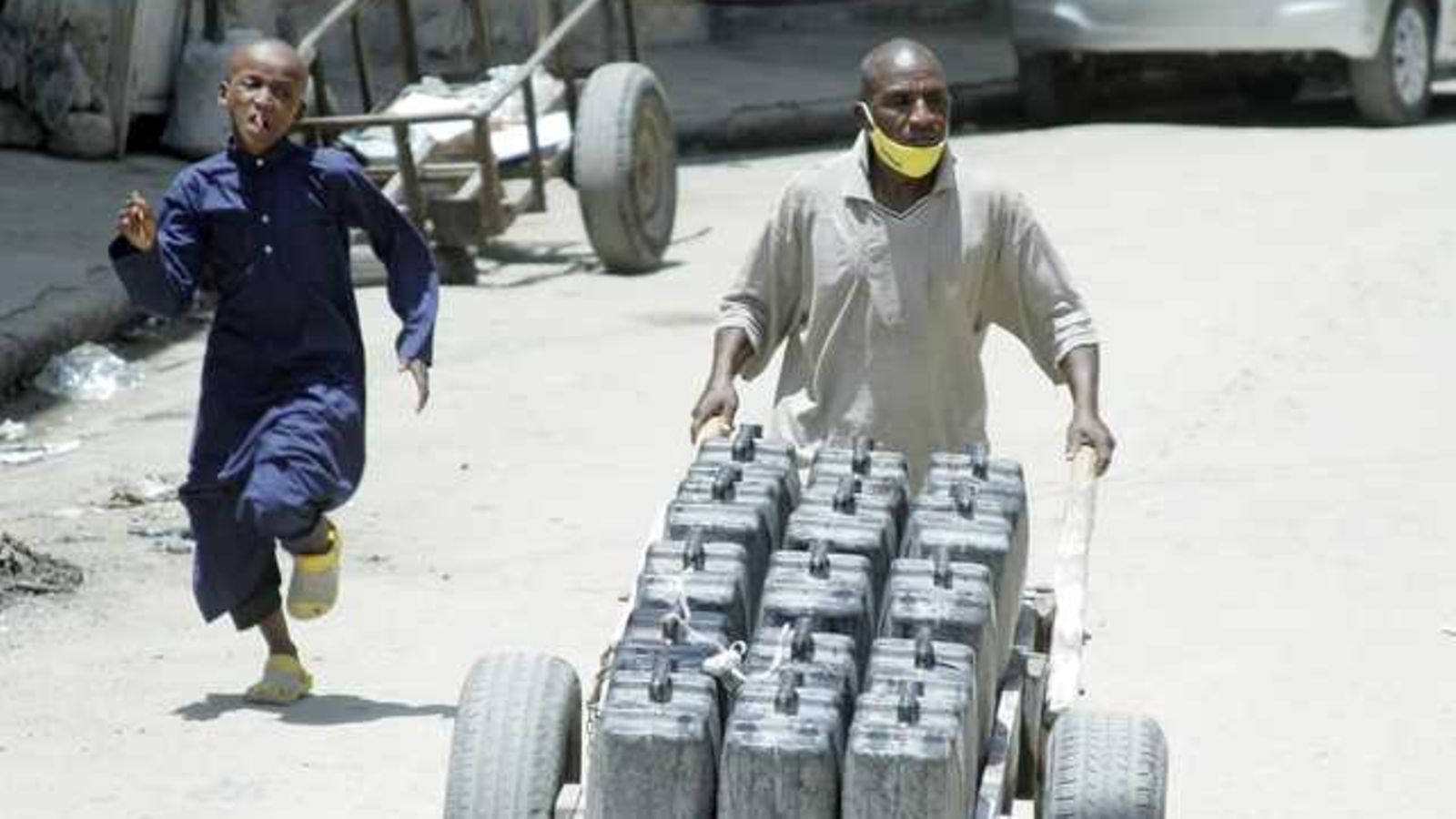
Kenya’s Coast is facing a fresh water shock after the Coast Water Works Development Agency disconnected four regional utilities over unpaid bulk-water bills, sharpening pressure on a system that already struggles to meet demand. The affected firms are TAVEVO Water and Sewerage Company, Kwale Water and Sewerage Company, Malindi Water and Sewerage Company and Kilifi-Mariakani Water and Sewerage Company. The dispute is not simply an accounting problem. In a region where many households already live with intermittent supply, the interruption of bulk water immediately risks turning dry taps from an inconvenience into a more serious public-health and economic problem. ([standardmedia.co.ke](https://www.standardmedia.co.ke/amp/business/coast/article/2001532510/kilifi-hit-by-week-long-water-crisis-after-agency-cuts-supply-over-sh3-billion-debt?utm_source=openai))
Nation reported that the debt now stands at Sh5.5 billion, while earlier coverage from The Standard shows that debt disputes between coastal water agencies and county utilities have been recurring for more than a decade. That history matters because it suggests the latest disconnection is part of a long-running structural breakdown rather than a one-off enforcement action. In other words, the immediate trigger is unpaid bills, but the underlying issue is a sector that has repeatedly failed to balance the cost of water production with the revenue collected from consumers and county utilities. ([standardmedia.co.ke](https://www.standardmedia.co.ke/business/coast/article/2000161923/coast-counties-water-crisis-over-sh12b-bill?utm_source=openai))
What changed this time
According to the reported customer alert cited by Nation, the agency said the utilities had failed to settle 100 percent of their bulk-water bills despite repeated demands. The agencies involved cover some of the Coast’s most important population and economic centres: TAVEVO serves parts of Taita-Taveta, KWAWASCO supplies towns such as Ukunda, Diani and Msambweni, MAWASCO serves Malindi and Watamu, and KIMAWASCO covers multiple parts of Kilifi County. Cutting supply to those utilities therefore has immediate consequences beyond the billing offices, because it affects domestic users, small businesses, schools, hospitals and tourism operators that depend on a reliable flow of water. ([standardmedia.co.ke](https://www.standardmedia.co.ke/amp/business/coast/article/2001532510/kilifi-hit-by-week-long-water-crisis-after-agency-cuts-supply-over-sh3-billion-debt?utm_source=openai))
The scale of the debt is especially troubling in light of Kenya’s broader water-finance strain. Business Daily has reported that the Coast Water Works Development Agency itself appears among state water bodies carrying substantial outstanding obligations, and the same paper has also highlighted large losses across public water firms caused by unbilled or unrecovered water. That wider picture suggests the Coast dispute sits inside a national pattern: utilities often inherit old liabilities, struggle with poor collections and then fall behind on payments to upstream suppliers, creating a chain of arrears that is hard to break. ([businessdailyafrica.com](https://www.businessdailyafrica.com/bd/economy/taxpayers-face-sh28-5bn-hit-as-state-firms-seek-debt-write-offs-5470172?utm_source=openai))
Why the Coast is especially vulnerable
The Coast’s water challenge is not new, but it is unusually severe because demand is rising while supply remains constrained by infrastructure weaknesses, power interruptions, leakage and losses from illegal connections. WaterFund, the state trust fund for the sector, says Kenya’s water challenges are amplified by inconsistent rainfall, rapid urbanisation and insufficient treatment and wastewater systems. Those national pressures are visible on the Coast, where growing urban centres and tourist zones place constant strain on old networks and long-distance supply lines. ([research.waterfund.go.ke](https://research.waterfund.go.ke/?utm_source=openai))
Even when water is available at source, it is not always delivered efficiently. Nation’s report points to aging infrastructure, poor metering, illegal connections and weak revenue collection as major factors behind the bills. Standard Media’s reporting on Kilifi’s 2025 supply cut also described a similar pattern, citing a multibillion-shilling unpaid bill and shortages affecting several sub-counties after supply was disconnected. Taken together, the reports indicate that the Coast’s problem is not just scarcity of water, but a chronic inability to turn available water into dependable, paid-for service at the tap. ([standardmedia.co.ke](https://www.standardmedia.co.ke/amp/business/coast/article/2001532510/kilifi-hit-by-week-long-water-crisis-after-agency-cuts-supply-over-sh3-billion-debt?utm_source=openai))
The geography of the Coast makes the stakes higher. Mombasa, Kenya’s main port city, depends heavily on water brought in from outside the county. Kwale’s coastal resort belt, Kilifi’s fast-growing towns and Taita-Taveta’s settlements all have expanding demand linked to population growth, urbanisation and tourism. If bulk supply is interrupted in any one of those counties, the effect can cascade through local economies because hotels, restaurants, transport businesses and public institutions all need stable water access to function normally. ([standardmedia.co.ke](https://www.standardmedia.co.ke/amp/business/coast/article/2001532510/kilifi-hit-by-week-long-water-crisis-after-agency-cuts-supply-over-sh3-billion-debt?utm_source=openai))
The debt cycle that keeps repeating
One of the most revealing aspects of the present crisis is how familiar it sounds. Historical reporting from Business Daily and The Standard shows the same pattern appearing repeatedly in the Coast region: bulk supplier threatens or carries out a disconnection, county utilities scramble to pay, temporary relief follows, and then the arrears begin building up again. A 2014 Standard report described a similar dispute involving more than Sh1 billion in bills, while Business Daily reported that the region’s water firms had paid debts to avoid further disruptions to pumping stations. This repetition matters because it shows that disconnections alone do not solve the problem. They may force compliance in the short term, but without stronger revenue systems and better governance, the cycle simply restarts. ([standardmedia.co.ke](https://www.standardmedia.co.ke/business/coast/article/2000161923/coast-counties-water-crisis-over-sh12b-bill?utm_source=openai))
The financial mechanics are also straightforward. If a utility loses water through leaks, theft or broken meters, it sells less than it produces. If billing systems are weak, it may not collect what it is owed. If electricity bills are unpaid, pumping stations can be disconnected, further reducing supply and revenue. If the utility then cannot pay the bulk supplier, the supplier may cut off deliveries. That sequence creates a downward spiral in which the public sees only unreliable water service, while the institutions involved see rising debt and declining cash flow. Nation’s report, together with the audit-related and sector-wide coverage from other publishers, supports that interpretation. ([standardmedia.co.ke](https://www.standardmedia.co.ke/amp/business/coast/article/2001532510/kilifi-hit-by-week-long-water-crisis-after-agency-cuts-supply-over-sh3-billion-debt?utm_source=openai))
Political pressure is likely to intensify
The issue is also politically sensitive because it sits at the intersection of county service delivery, national oversight and control over a scarce resource. Local leaders in Taita-Taveta have already argued that residents should not bear the burden of debts they say were inherited from earlier arrangements. According to Nation, critics in the county want a restructuring of the bulk-water model and argue that the county hosting Mzima Springs should benefit more directly from the resource. That argument is likely to resonate in other Coast counties as well, where residents often see water leaving their areas while their own taps remain dry. ([standardmedia.co.ke](https://www.standardmedia.co.ke/amp/business/coast/article/2001532510/kilifi-hit-by-week-long-water-crisis-after-agency-cuts-supply-over-sh3-billion-debt?utm_source=openai))
At the same time, the supplier’s position is also easy to understand: a water system cannot function if downstream utilities refuse or fail to pay for bulk water. The challenge for government, then, is to move beyond blame and into reform. The available reporting points to several possible priorities: better metering, tighter controls on illegal connections, faster repair of leaks, more realistic billing, clearer handling of inherited debts and stronger coordination between county governments and water agencies. Those are not quick fixes, but without them the Coast is likely to face more supply interruptions, more disputes and more public frustration. ([standardmedia.co.ke](https://www.standardmedia.co.ke/amp/business/coast/article/2001532510/kilifi-hit-by-week-long-water-crisis-after-agency-cuts-supply-over-sh3-billion-debt?utm_source=openai))
What happens next
For now, the immediate question is whether the affected utilities can clear enough arrears to restore full bulk supply. But the larger question is whether the Coast’s water sector can escape a pattern in which scarcity, debt and poor collections reinforce one another. The recent disconnection shows that the system is fragile enough for a billing dispute to become a service emergency almost overnight. If county and national officials treat it only as a temporary quarrel, the region may soon find itself back in the same place, with residents once again paying the price for institutional failure through empty tanks, longer queues and lost business hours. ([standardmedia.co.ke](https://www.standardmedia.co.ke/amp/business/coast/article/2001532510/kilifi-hit-by-week-long-water-crisis-after-agency-cuts-supply-over-sh3-billion-debt?utm_source=openai))
Sources: