In a significant step toward global collaboration, Kenyan President William Ruto announced a strengthening partnership between Kenya and the U.S. state of California, focusing on technology, clean energy, and sustainable development. This collaboration, unveiled on August 11, 2025, at State House in Nairobi, aims to leverage California’s technological prowess and Kenya’s innovative ecosystem to drive advancements in artificial intelligence (AI), clean energy systems, smart agriculture, and sustainable transportation. The partnership marks a pivotal moment in fostering innovation, addressing climate challenges, and promoting economic growth in both regions.
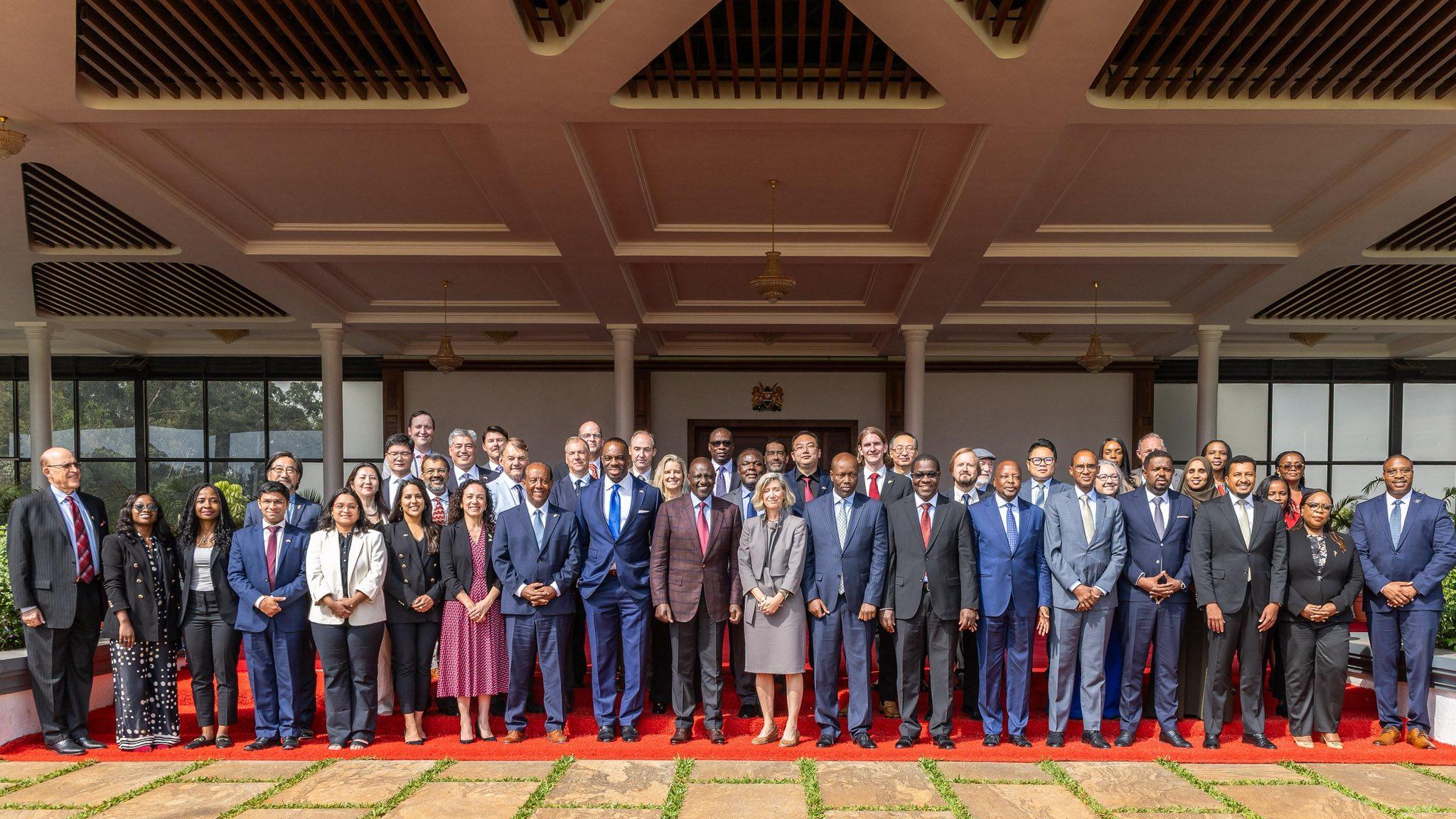
The Kenya–California partnership emerges from a shared commitment to innovation and sustainability. California, often referred to as the world’s fourth-largest economy, is a global leader in technology and climate innovation, home to Silicon Valley and cutting-edge clean energy initiatives. Kenya, on the other hand, has earned the nickname “Silicon Savannah” due to its vibrant tech ecosystem and leadership in renewable energy, with 93% of its electricity currently sourced from renewable sources such as geothermal, hydroelectric, and solar power. President Ruto emphasized this synergy during his announcement, noting that the collaboration combines “California’s leadership in technology and climate innovation with Kenya’s digitally skilled workforce and renewable energy expertise.”
The partnership was catalyzed by a series of high-level engagements, including the California-Africa Forum held during San Francisco Climate Week on April 21, 2025. Organized by California’s Secretary of Transportation, Toks Omishakin, the forum facilitated discussions between Kenyan and Nigerian climate envoys, California state officials, and private sector representatives. These discussions laid the groundwork for a comprehensive strategic partnership, with a focus on memoranda of understanding (MOUs) to formalize cooperation in areas such as geothermal technology, AI, and clean transportation.
Kenya’s ambition to achieve 100% renewable energy by 2030, scaling up to 100 gigawatts by 2040, aligns closely with California’s goal of powering 100% of its retail electricity sales with clean energy by 2045. The partnership aims to accelerate clean energy deployment through knowledge exchange and technological innovation. A key initiative is the establishment of the Africa Clean Transportation Centre of Excellence in Nairobi, which will serve as a hub for advancing sustainable mobility solutions across the continent.
Geothermal energy is a cornerstone of this collaboration. Kenya is a global leader in geothermal power, with its Olkaria Geothermal Complex being one of the largest in the world. California, with its expertise in advanced drilling techniques and monitoring systems, will share technological know-how, while Kenya offers field testing opportunities and operational expertise in high-temperature geothermal systems. This exchange is expected to enhance efficiency and scalability in geothermal energy production, benefiting both regions and setting a model for global clean energy initiatives.

AI is a critical component of the partnership, with both regions recognizing its potential to transform industries such as agriculture, energy, and transportation. California’s Silicon Valley is home to leading AI research institutions and companies, while Kenya’s tech ecosystem has produced innovations like M-Pesa, a mobile payment platform that revolutionized financial inclusion. The partnership will facilitate joint research and development in AI, focusing on applications such as smart agriculture, which uses data-driven insights to optimize crop yields and resource use.
The Bakar Institute Forum on AI and Climate, held at UC Berkeley, highlighted the potential of AI in addressing climate challenges. World-renowned chemists Professors Omar Yaghi and Peidong Yang presented solutions for removing excess CO2 from the atmosphere using AI-designed materials, a technology that could be implemented globally to combat climate change. Kenya’s participation in such forums underscores its role as a testing ground for scalable AI-driven climate solutions.
The Africa Clean Transportation Centre of Excellence in Nairobi is a flagship project under the partnership. It aims to develop and deploy sustainable mobility solutions, such as electric vehicles (EVs) and low-emission transport systems. California’s experience in EV infrastructure and policy, coupled with Kenya’s growing urban population and need for sustainable transport, creates a fertile ground for collaboration. The centre will serve as a regional hub, promoting innovation in clean transportation and supporting Africa’s transition to low-carbon mobility.
Kenya’s agricultural sector, a backbone of its economy, stands to benefit from California’s expertise in precision agriculture and climate-smart farming techniques. The partnership will promote research collaborations between Kenyan institutions and California’s leading universities, such as UC Davis, which has a strong track record in agricultural innovation. These efforts aim to enhance food security, improve resilience to climate change, and create economic opportunities for Kenyan farmers
The partnership also emphasizes trade and investment, with a focus on fostering economic growth and job creation. By leveraging California’s private sector expertise and Kenya’s strategic position as a gateway to East Africa, the collaboration aims to attract investment in clean energy, technology, and infrastructure projects. This aligns with Kenya’s broader goal of positioning itself as a clean tech hub in Africa, capable of serving as a supply-chain partner to major economies.

The Kenya–California partnership is part of a larger trend of international cooperation in clean energy and technology. In recent years, Kenya has strengthened its ties with the United States through initiatives like the US-Kenya Climate and Clean Energy Industrial Partnership, announced in May 2024 during President Ruto’s state visit to Washington, D.C. This broader partnership seeks to spur clean energy deployment, enhance supply chains, and support green industrialization across Africa.
California’s involvement adds a unique dimension to this collaboration. As a subnational entity with significant economic and technological influence, California serves as a bridge between U.S. federal initiatives and global partners. The state’s commitment to clean energy, evidenced by its record of powering 51.9 days with 100% clean electricity in 2025, makes it an ideal partner for Kenya’s renewable energy ambitions.
The partnership also reflects a strategic effort to counterbalance China’s influence in Africa’s clean energy sector. While China remains a powerhouse in clean tech manufacturing, the U.S. and its states like California are positioning themselves as partners in innovation and capacity-building. By focusing on knowledge exchange and localized solutions, the Kenya–California partnership offers a model for sustainable, equitable collaboration.
While the partnership holds immense potential, it faces several challenges. First, the high cost of clean energy technologies, such as advanced geothermal systems and EV infrastructure, requires significant investment. Kenya’s reliance on international financing, including from institutions like the World Bank and the International Monetary Fund (IMF), underscores the need for robust funding mechanisms. The partnership’s alignment with the Nairobi-Washington Vision, which calls for reforms to unlock over $250 billion in new lending from multilateral development banks, could help address this challenge.
Second, ensuring equitable benefits for both regions is critical. California’s private sector must prioritize partnerships that empower Kenyan communities and businesses, rather than extracting resources or profits. Initiatives like the $3.6 million commitment to connect Kenyan ratepayers to clean electricity through the Power Africa program demonstrate a focus on grassroots impact.
On the opportunity side, the partnership positions Kenya as a leader in Africa’s clean energy transition. With a $1 billion renewable energy pact to raise clean energy capacity to 70% by 2030, Kenya is poised to become a regional hub for clean tech innovation. The collaboration with California could accelerate this process, creating jobs, enhancing energy security, and attracting further investment.
The Kenya–California partnership is a forward-looking initiative with the potential to set a global standard for subnational-international collaboration. By focusing on clean energy, AI, and sustainable development, the partnership addresses pressing global challenges while fostering economic growth. The establishment of the Africa Clean Transportation Centre of Excellence and ongoing research collaborations signal a commitment to tangible outcomes.
Looking ahead, the success of this partnership will depend on sustained political will, private sector engagement, and community involvement. Regular forums, such as the California-Africa Forum, and continued dialogue between Kenyan and Californian stakeholders will be essential to maintaining momentum. Additionally, integrating lessons from other international partnerships, such as Kenya’s MOUs with the Netherlands and China, can help refine the collaboration’s scope and impact.
President William Ruto’s announcement of the Kenya–California partnership in technology and clean energy marks a significant milestone in global cooperation. By combining California’s technological leadership with Kenya’s renewable energy expertise and innovative workforce, the partnership promises to drive advancements in clean energy, AI, smart agriculture, and sustainable transportation. As both regions work toward ambitious climate goals, this collaboration serves as a model for how subnational and international partnerships can address global challenges while fostering economic prosperity. With strategic investments, equitable policies, and a commitment to innovation, the Kenya–California partnership has the potential to transform the clean energy landscape and inspire similar initiatives worldwide.