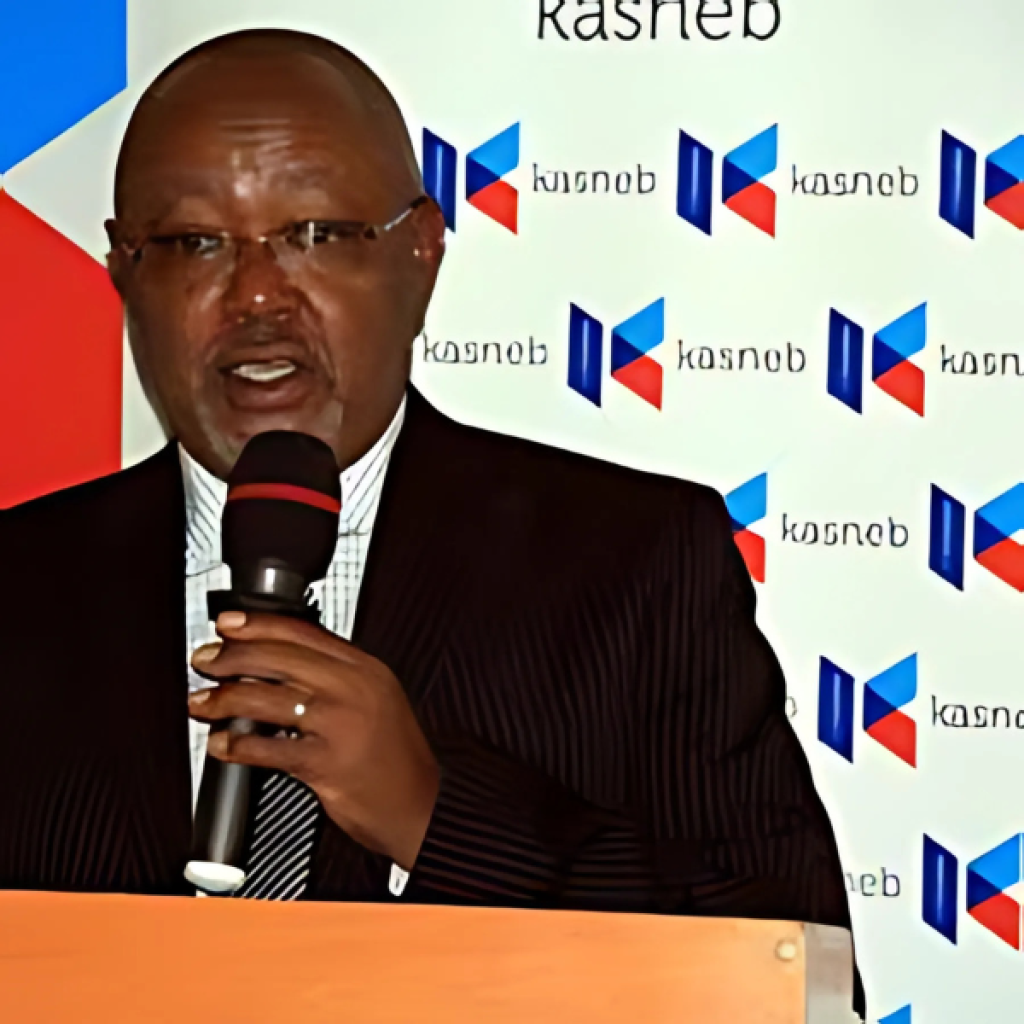
The Kenya Association of Private Universities (KAPU) issued a stern ultimatum to the government, demanding the immediate release of Sh48.8 billion in arrears owed for government-sponsored students enrolled in private institutions since 2015. Speaking at a press conference in Nairobi, KAPU representatives painted a grim picture of the financial toll the unpaid dues have taken on their institutions, warning that failure to settle the debt within 30 days could lead to drastic measures. The mounting crisis, they argued, threatens the sustainability of private higher education in Kenya and risks disrupting the academic progress of thousands of students.
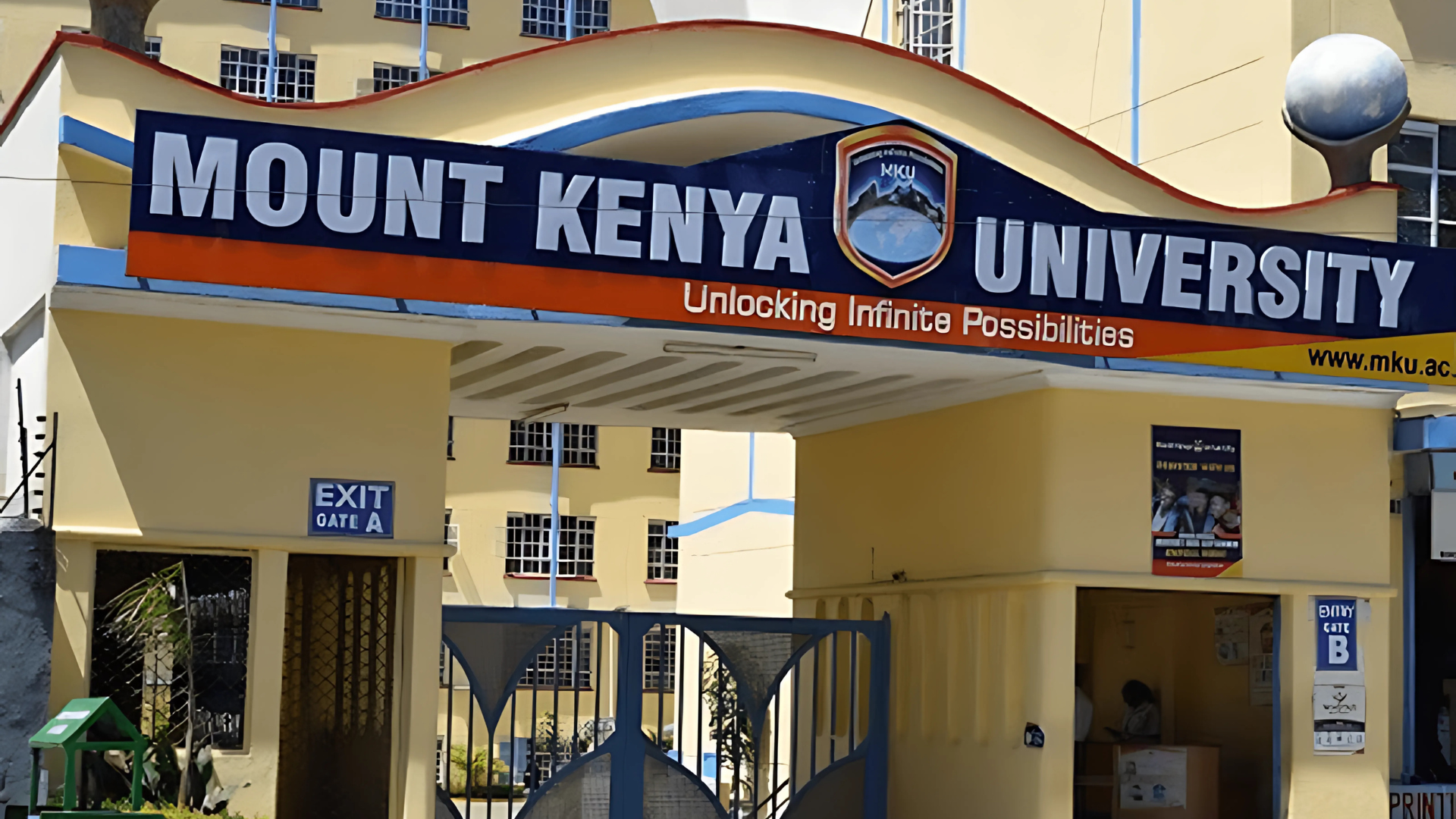
The Sh48.8 billion debt stems from the government’s Differentiated Unit Cost (DUC) funding model, introduced to support students placed in private universities under the Kenya Universities and Colleges Central Placement Service (KUCCPS). Under this model, the government commits to paying a portion of tuition fees for students admitted to private institutions, with the amount varying based on the cost of specific programs. However, KAPU claims that payments have been inconsistent or entirely withheld for nearly a decade, leaving universities to shoulder the financial burden of educating thousands of students without adequate reimbursement.
“Our institutions have been patient for far too long,” said KAPU Chairperson Professor Jane Mwangi, addressing journalists at the InterContinental Hotel. “Since 2015, we have educated government-sponsored students in good faith, trusting that the state would honor its obligations. But Sh48.8 billion is not a small amount. It is crippling our operations, stifling infrastructure development, and threatening the quality of education we provide.” Mwangi, flanked by vice-chancellors from several member institutions, emphasized that the debt has forced universities to dip into their reserves, delay staff salaries, and postpone critical upgrades to facilities like laboratories and libraries.
The press conference, attended by academic leaders, student representatives, and education stakeholders, underscored the urgency of the crisis. Private universities, which have played a pivotal role in expanding access to higher education in Kenya, enroll approximately 15 percent of the country’s university students, including a significant number of government-sponsored learners. The DUC model was designed to bridge the gap between public and private institutions, ensuring equitable access to quality education regardless of where students are placed. However, KAPU argues that the government’s failure to disburse funds has undermined this objective, placing private universities in an untenable position.
“Every year, we admit students placed by KUCCPS, and every year, we are left chasing payments that never materialize,” said Dr. Peter Kimani, Vice-Chancellor of a prominent private university in Nairobi. “We cannot continue to operate like this. Our staff deserve to be paid on time, our students deserve modern facilities, and our institutions deserve financial stability.” Kimani highlighted the ripple effects of the debt, noting that some universities have been forced to scale back research programs, reduce scholarships, and defer maintenance projects, all of which compromise their ability to compete in Kenya’s increasingly competitive higher education sector.
The ultimatum comes at a time when Kenya’s education sector is grappling with broader challenges, including funding constraints and public discontent over the transition to a new university funding model. The government’s shift from the DUC model to a means-tested funding system, announced in 2023, has sparked protests from students and parents, who argue that it places an unfair financial burden on families. For private universities, the unpaid arrears exacerbate these tensions, raising questions about the state’s commitment to supporting all segments of higher education.
KAPU’s 30-day deadline has sparked speculation about the “action” universities might take if the government fails to comply. While Mwangi declined to specify the nature of the measures, she hinted at possibilities ranging from legal recourse to operational adjustments. “We are exploring all options available to us,” she said, her tone resolute. “Our priority is to protect our institutions and the students we serve. We cannot allow this situation to persist indefinitely.” Some analysts suggest that private universities could suspend admission of new government-sponsored students, limit services, or pursue court orders to compel payment, though such steps could disrupt the academic calendar and strain relations with the government.
The financial strain described by KAPU is not abstract. Smaller private universities, in particular, rely heavily on tuition fees to cover operational costs, unlike public institutions that receive direct capitation grants. The unpaid dues have forced some institutions to take out loans at high interest rates, further deepening their financial woes. “We are not asking for handouts,” said Dr. Mary Otieno, a KAPU executive committee member. “We are asking for what is rightfully owed to us for services rendered. The government placed these students in our institutions, and we have fulfilled our part of the bargain.”
Students, too, are feeling the impact of the crisis. During the press conference, a student leader from a private university in Eldoret shared concerns about declining campus resources. “Our computer labs are outdated, and some lecturers are demotivated because of delayed salaries,” said James Mwenda, a third-year engineering student. “We chose private universities for their quality, but this funding crisis is affecting our education. The government needs to act.” Mwenda’s remarks reflect growing anxiety among students, who fear that the standoff could lead to fee hikes or reduced academic offerings.
The Ministry of Education has yet to issue an official response to KAPU’s demands, but sources within the ministry indicate that discussions are underway to address the arrears. The government’s fiscal challenges, compounded by competing priorities such as infrastructure development and debt servicing, have strained its ability to meet funding commitments across sectors. In recent years, public universities have also faced delays in capitation grants, prompting strikes by lecturers and administrative staff. For private universities, however, the absence of direct budgetary support makes the non-payment of DUC funds particularly acute.
Education stakeholders have called for dialogue to resolve the impasse. The Kenya National Union of Teachers (KNUT) expressed solidarity with private universities, urging the government to prioritize education funding. “A strong higher education system benefits the entire nation,” said KNUT Secretary-General Collins Oyuu. “The government must engage with KAPU to find a sustainable solution, not just for private universities but for all institutions.” Oyuu suggested that a structured payment plan, coupled with reforms to the funding model, could prevent future crises.
The international community, which has invested heavily in Kenya’s education sector, is also watching closely. Donors such as the World Bank and the African Development Bank have supported initiatives to expand access to higher education, including partnerships with private institutions. A prolonged funding dispute could undermine these efforts, potentially affecting Kenya’s reputation as a regional education hub. “Private universities are critical to meeting the growing demand for higher education,” said an education consultant based in Nairobi. “The government’s failure to pay these dues sends a worrying signal to investors and partners.”
As the 30-day clock ticks, the standoff has reignited debates about the role of private institutions in Kenya’s education ecosystem. Proponents argue that private universities alleviate pressure on overstretched public institutions, offering diverse programs and innovative teaching methods. Critics, however, contend that the government’s focus should remain on strengthening public universities, which serve a larger share of students from disadvantaged backgrounds. For KAPU, the issue transcends this divide, centering on fairness and accountability.
The outcome of the ultimatum will have far-reaching implications. A resolution could restore stability to private universities, enabling them to invest in infrastructure, research, and student welfare. Failure to act, however, risks escalating tensions and potentially disrupting the higher education sector at a time when Kenya needs skilled graduates to drive its economic ambitions. For now, private universities are standing firm, united in their demand for the government to honor its commitments.
“This is about the future,” Professor Mwangi said, concluding the press conference. “We are not just fighting for our institutions—we are fighting for the dreams of thousands of young Kenyans who deserve a quality education. The government has 30 days to do what is right.”