By Brenda Wereh01 Aug, 202525 mins read 2,318 views
0 comments 0 likes
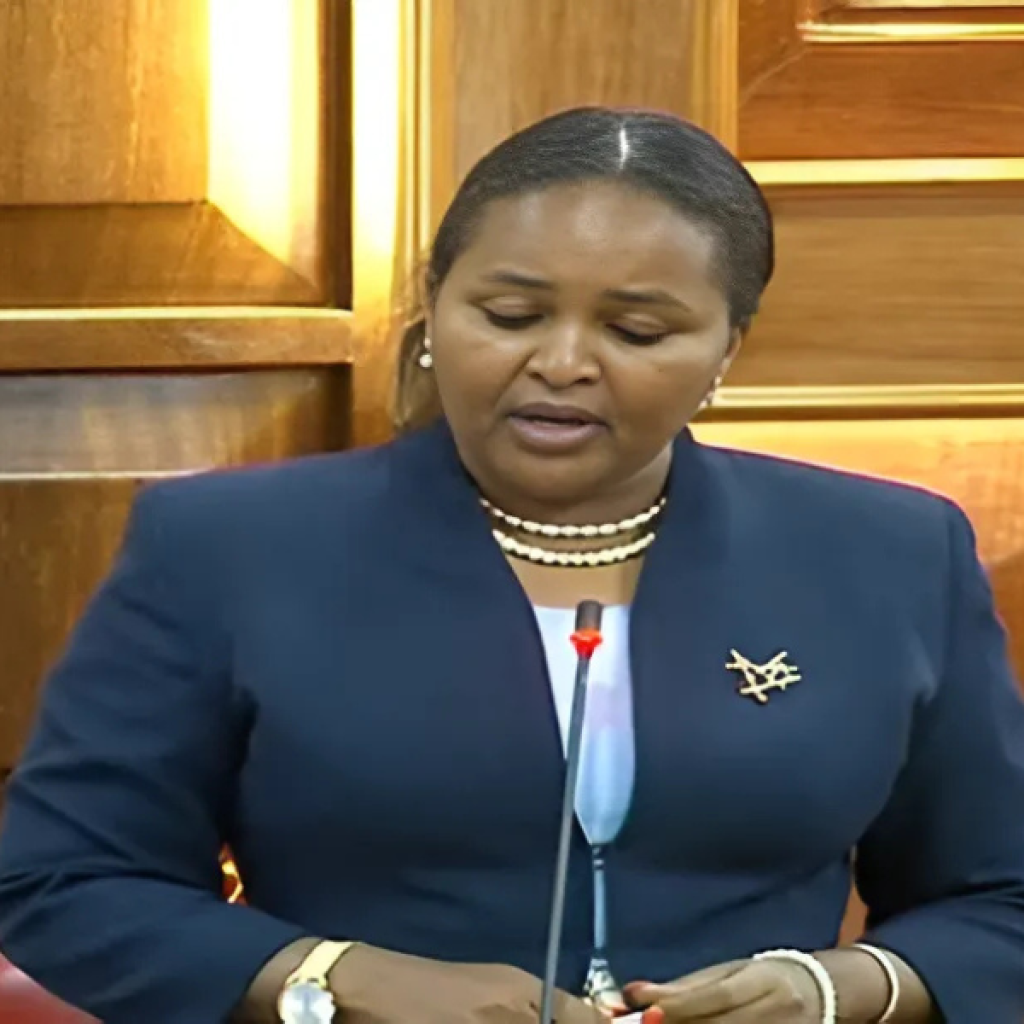
P Naisula Lesuuda tabled the Kenya Roads Amendment Bill 2024, mandating cycling lanes and pedestrian walkways for all new and upgraded roads.
A transformative proposal for Kenya’s infrastructure took center stage this afternoon, Friday, August 1, 2025, as Member of Parliament Naisula Lesuuda tabled the Kenya Roads Amendment Bill 2024 in the National Assembly. The bill, introduced at 3:07 PM East Africa Time during a lively session, seeks to make it mandatory for all new roads and those undergoing major repairs or upgrades to include dedicated cycling lanes and pedestrian walkways. The initiative, driven by Lesuuda’s advocacy for sustainable transport and pedestrian safety, aims to address the growing need for non-motorized transport options amid urban congestion and rural accessibility challenges. “We must build roads that serve everyone—cyclists, walkers, and drivers alike,” Lesuuda said, addressing her colleagues. The proposal has sparked a wave of discussion across the country, with citizens and experts weighing its potential to reshape Kenya’s roadways.
MP Naisula Lesuuda
The bill emerges against a backdrop of increasing urban population pressure and a rise in cycling and walking as affordable transport alternatives, particularly in cities like Nairobi and Mombasa. Current road designs often prioritize vehicles, leaving cyclists and pedestrians vulnerable to accidents, with statistics showing hundreds of injuries annually. The amendment would require the Kenya National Highways Authority (KeNHA) and Kenya Urban Roads Authority (KURA) to integrate these features during planning and construction, with penalties for non-compliance including fines or project delays. The move aligns with Kenya’s commitments to sustainable development, including reducing carbon emissions, amid a Sh10 trillion public debt and 5.5% inflation that strain public budgets. A farmer in Nakuru, tending his fields, remarked, “If they add paths, my kids can bike to school safely.”
Public reaction has been a mix of enthusiasm and practical concern. In Kisumu, a teacher preparing lessons listened to the radio, saying, “This could make walking to work easier if they do it right.” In Mombasa, a shopkeeper serving customers expressed skepticism. “Will they widen roads, or just take space from us?” he asked as the news played. The bill mandates a minimum width for cycling lanes—1.5 meters—and pedestrian walkways—2 meters—ensuring accessibility for all, including those with disabilities. Lesuuda highlighted the health benefits, noting that cycling reduces healthcare costs, a pressing issue given economic constraints. A youth leader in Naivasha, organizing a community meeting, added, “This could boost cycling culture if enforced.”
The proposal builds on existing infrastructure policies, requiring retrofitting for roads under major repair, such as the Nairobi-Mombasa highway, which sees heavy traffic. The amendment stipulates that 30% of upgrade budgets be allocated to non-motorized features, a provision aimed at balancing costs with benefits. KeNHA and KURA will collaborate with county governments to identify priority areas, starting with urban centers and connecting rural schools and markets. The process includes public consultations to map cyclist and pedestrian routes, addressing gaps where sidewalks are absent. A driver in Garissa, fueling his matatu, noted, “If they add lanes, it might ease traffic, but construction will be a mess.” The bill’s passage could set a precedent for East African road design.
Communities across Kenya have begun discussing the implications. In rural Kitale, a herder paused to hear a radio broadcast, saying, “Our children need safe paths to walk.” In urban Eldoret, a student at a cyber cafe scrolled through updates, adding, “Cycling lanes could change how we move.” The amendment addresses safety concerns, with data suggesting that 40% of road accidents involve pedestrians or cyclists due to poor infrastructure. Lesuuda’s push follows her earlier efforts to promote gender equity in transport, ensuring walkways accommodate women carrying goods. A mother in Nyeri, feeding her children, expressed hope. “If they build this, my daughter can walk without fear,” she said, clearing the table. The bill aims to enhance mobility.
The afternoon’s tabling drew diverse reactions. In Thika, a father waiting at a clinic said, “My son bikes to school; this could save him.” In Baringo, a community elder leading a discussion noted, “We need paths, not just cars, in our villages.” The bill requires environmental impact assessments to minimize disruption, particularly in forested areas, and mandates signage to guide users. Implementation will begin with a pilot in Nairobi’s Ngong Road, with plans to scale nationwide by 2027. A health worker in Kisii, coordinating a vaccination drive, added, “Safer roads could cut accident cases.” The proposal tests Kenya’s infrastructure planning amid fiscal challenges.
As the day progressed, the story spread to remote areas. In Marsabit, a herder listening to a radio update said, “This could connect our markets if they reach us.” In Mombasa’s markets, a vendor packing fish asked, “Will it slow down our deliveries?” The amendment includes funding mechanisms, proposing a 2% levy on fuel sales to support construction, a move that has sparked debate over cost impacts. Lesuuda argues the long-term savings from reduced accidents and healthcare costs will offset this. A youth leader in Naivasha, reflecting on the news, said, “This is progress if they follow through.” The bill signals a shift toward inclusive transport.
The afternoon brought a reflective mood to offices and homes. In Eldoret, a public servant preparing a report said, “This could ease traffic if planned well.” In Kisumu, a mother checking on her family added, “But will rural areas get it too?” The bill mandates annual progress reports to Parliament, ensuring accountability, with penalties for agencies failing to comply. Economic analysts suggest the initiative could boost local economies by supporting bicycle businesses, though initial costs may strain budgets. A community organizer in Turkana, planning a radio talk, remarked, “We need paths to reach clinics.” The outcome hinges on execution.
Experts see potential benefits, with a lawyer in Nairobi discussing over tea noting, “This aligns with global trends like the Netherlands’ cycling model.” The amendment requires training for engineers to design safe lanes, addressing technical challenges. A vendor in Timau, closing his stall, said, “Let’s hope it works without delays.” The bill’s success depends on public support, with Lesuuda planning town halls to gather input. A father in Nyahururu, walking home with his family, added, “This could make our roads livable.” The proposal marks a step toward sustainable urban planning.
The evening saw continued engagement across the country. In Nakuru, a group at a market debated the news. “Will cyclists pay for these lanes?” one trader asked, sorting vegetables. In Nairobi’s cyber cafes, a student scrolling through updates noted, “People are excited but worried about costs.” The bill includes provisions for maintenance funding, proposing a small user fee for commercial cyclists, a point under review. A youth leader in Kitale, organizing an event, reflected, “We want safe roads for all.” As Kenya considers this amendment, it stands to redefine its road network.
Former Kiambu Governor Ferdinand Waititu has secured a major bail reprieve from the High Court, with Justice Winfrida Okwany reducing his bail from Sh53.5 million to Sh20 million cash pending appeal in his ongoing corruption case.
President Ruto and Governor Sakaja signed a cooperation agreement allocating funds for 50,000 new streetlights, water plants saving 50 million litres daily, 27 km Nairobi River sewer and ward road upgrades, with Ruto calling it a partnership to make the city livable while opposition senators warn of devolution threats.
A staff member at Moi Teaching and Referral Hospital allegedly stole Sh10 million by falsifying patient bills as paid in the eCitizen system while diverting the money to her personal account, prompting an ongoing police and hospital investigation.