By Brenda Wereh23 Jun, 202530 mins read 2,466 views
0 comments 0 likes
A detailed examination of the High Court’s ruling declaring the 2.75% SHIF deduction from gross income illegal, citing double taxation and violations of Kenya’s income tax law.
Kenya’s healthcare financing landscape faced a seismic shift on June 23, 2025, when the High Court declared the mandatory 2.75% Social Health Insurance Fund (SHIF) deduction from gross income illegal. Justice Chacha Mwita, delivering the landmark ruling, found that the deduction constituted double taxation and contravened provisions of the Income Tax Act. The decision, hailed by workers’ unions and taxpayers but met with concern by government officials, has sparked intense debate about the future of universal healthcare in Kenya and the balance between public welfare and fair taxation. As the nation grapples with the ruling’s implications, questions loom over how the government will fund its ambitious healthcare agenda without burdening citizens.
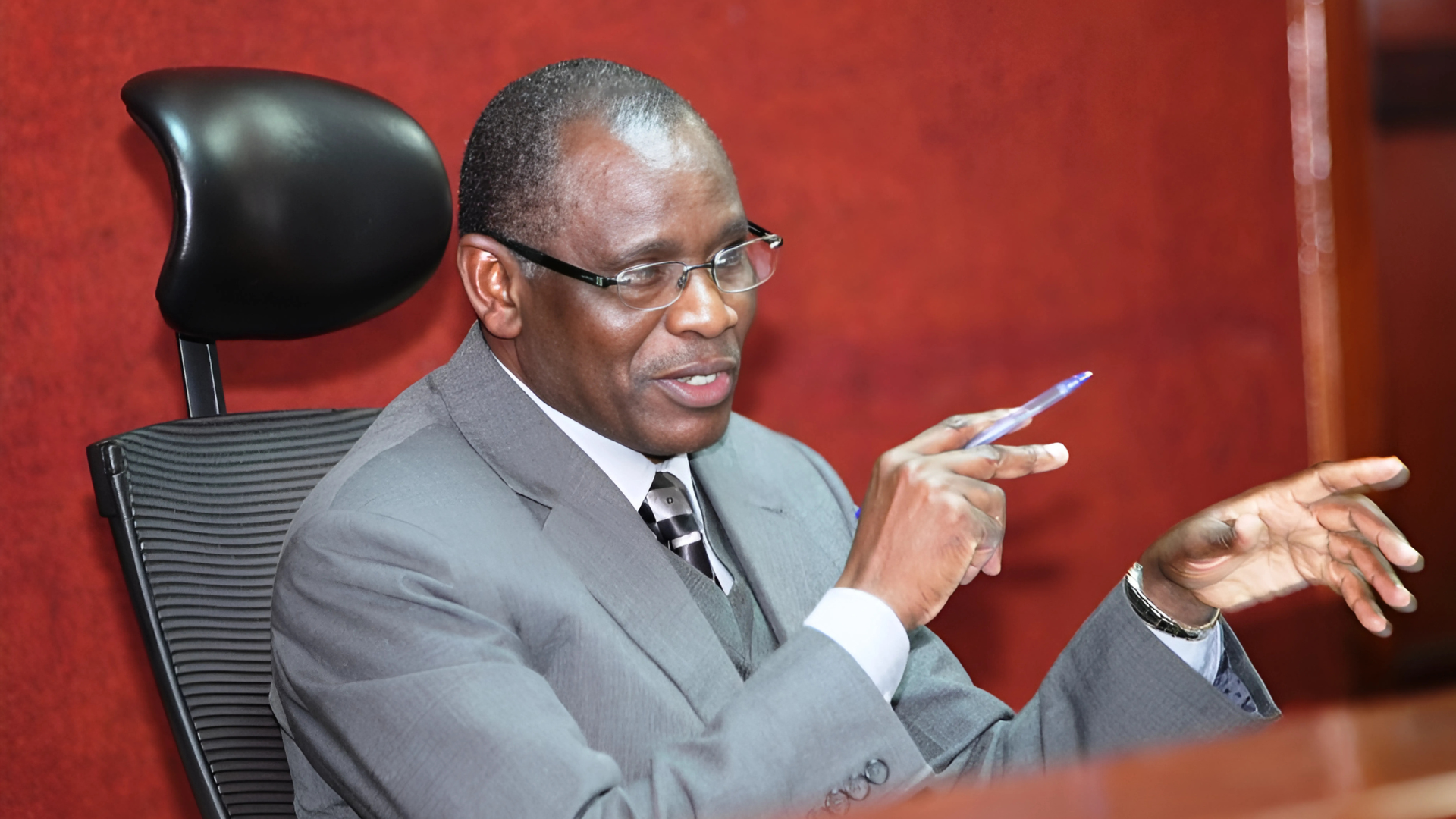
Justice Chacha Mwita
The SHIF deduction, introduced under the Social Health Insurance Act of 2023, required employers to withhold 2.75% of an employee’s gross salary and remit it to the Social Health Authority (SHA) by the ninth day of the following month. The policy, rolled out in October 2024, aimed to replace the National Health Insurance Fund (NHIF) with a more comprehensive system to achieve universal health coverage. Government officials touted SHIF as a transformative step, promising better access to medical services for all Kenyans, particularly low-income households. However, the deduction quickly became contentious, with salaried workers complaining that it eroded their take-home pay, especially amid rising inflation and other statutory levies.
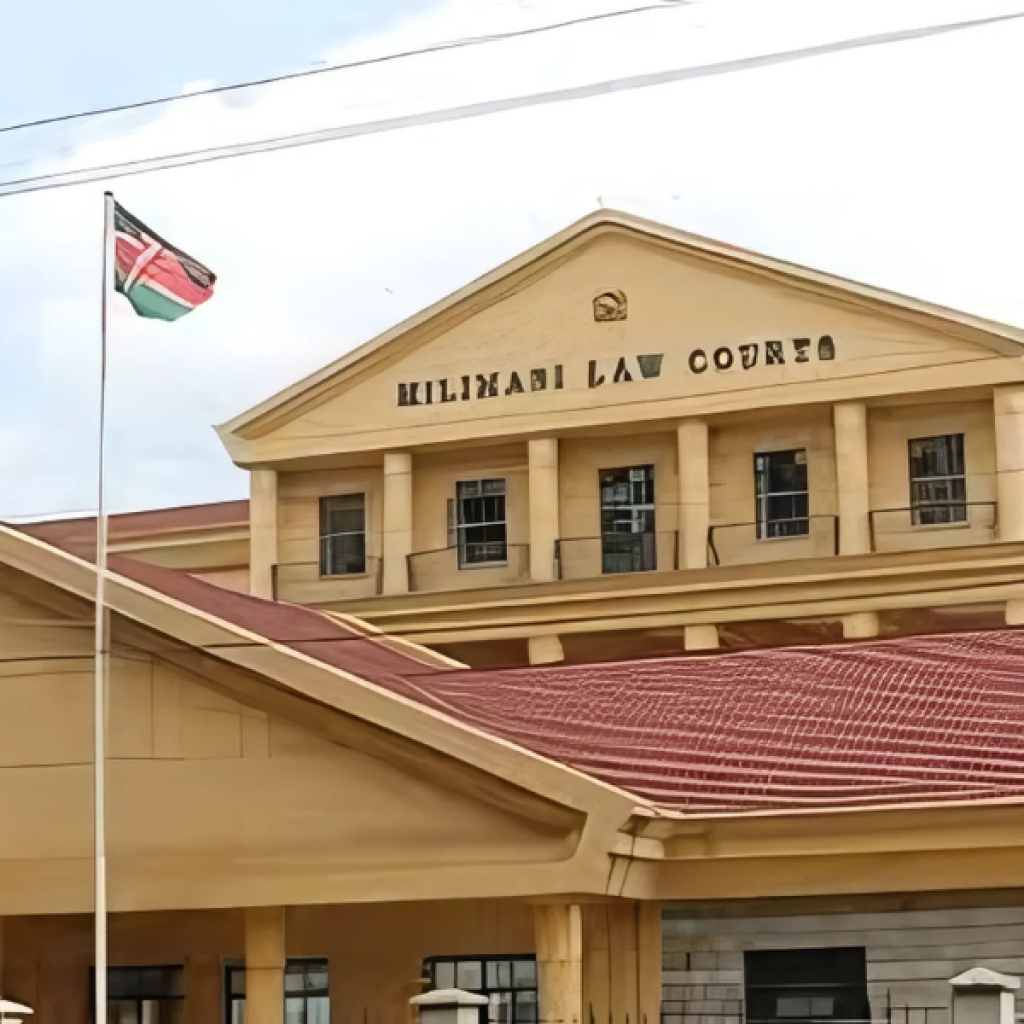
Justice Mwita’s ruling came in response to a petition filed by a coalition of trade unions, including the Kenya Medical Practitioners, Pharmacists, and Dentists Union (KMPDU) and the Central Organization of Trade Unions (COTU). The petitioners argued that the SHIF deduction was an additional tax on income already subject to Pay As You Earn (PAYE) under the Income Tax Act, effectively taxing the same earnings twice. “This is a victory for Kenyan workers,” said KMPDU Secretary-General Davji Atellah outside the Milimani Law Courts. “The government cannot impose new deductions without respecting the law. Our salaries were being squeezed, and this ruling gives us relief.”
The court’s reasoning centered on the concept of double taxation, defined as the imposition of multiple taxes on the same income source. Justice Mwita noted that gross income, which includes wages, allowances, and bonuses, is already taxed through PAYE, a progressive system that levies rates based on income brackets. The SHIF deduction, applied uniformly at 2.75% on gross earnings, was deemed an additional tax that failed to account for existing levies. “The deduction violates the principles of fair taxation enshrined in Article 201 of the Constitution,” Mwita stated in his judgment. “It also contravenes Section 3 of the Income Tax Act, which defines taxable income as net gains after allowable deductions.”
The ruling highlighted specific flaws in the SHIF framework. Unlike other statutory deductions, such as NHIF or the National Social Security Fund (NSSF), the SHIF contribution was not recognized as an allowable expense under the Income Tax Act, meaning employees could not offset it against their taxable income. This structure, Mwita argued, placed an unfair burden on salaried workers, particularly those in lower income brackets. “A worker earning 50,000 shillings a month loses 1,375 shillings to SHIF, on top of PAYE, NHIF, and other levies,” said COTU Secretary-General Francis Atwoli. “This is not just taxation; it’s punishment for being employed.”
The government, represented by the Attorney General and the Ministry of Health, defended the SHIF deduction, arguing that it was a mandatory contribution, not a tax, designed to fund a public good. Health Cabinet Secretary Susan Nakhumicha emphasized that SHIF was critical to achieving universal healthcare, projecting that the fund would raise over 100 billion shillings annually to improve medical facilities and cover treatments for millions of Kenyans. “This is about equity,” Nakhumicha said during a recent parliamentary session. “Every Kenyan must contribute so that every Kenyan can benefit, especially those who cannot afford private care.”
However, Justice Mwita rejected the government’s distinction between a contribution and a tax, noting that the mandatory nature of the deduction and its application to gross income made it functionally equivalent to a tax. He further criticized the lack of public participation in the SHIF’s rollout, a requirement under Article 10 of the Constitution. “The government did not adequately consult stakeholders before imposing this levy,” Mwita said. “Such a significant policy cannot be enacted without the input of those it affects most.”
The ruling has thrown the SHA into uncertainty, as SHIF was its primary funding mechanism. The SHA, established to replace the NHIF, had begun registering beneficiaries and accrediting healthcare providers, with over 12 million Kenyans enrolled by May 2025. The court’s decision now raises questions about how the authority will sustain its operations. “We’re in a difficult position,” admitted an SHA official, speaking anonymously. “Without these funds, we may have to scale back services or rely on Treasury allocations, which are already stretched.”
For salaried workers, the ruling offers immediate financial relief. Employees like Jane Wanjiku, a schoolteacher in Nakuru, welcomed the decision. “I was losing nearly 4,000 shillings a month to deductions, including SHIF,” she said. “Now I can afford to buy school supplies for my children without borrowing.” However, others expressed concern about the broader implications for healthcare access. “I agree the deduction was heavy, but I worry about what happens to hospitals if SHIF collapses,” said Peter Kamau, a mechanic in Nairobi. “We need better healthcare, but not at the cost of our salaries.”
The government has signaled its intent to appeal the ruling, with Nakhumicha stating that the Ministry of Health is exploring legal and legislative options to reinstate SHIF contributions. One possibility is amending the Income Tax Act to classify SHIF deductions as allowable expenses, which could address the double taxation issue. “We’re committed to universal healthcare,” Nakhumicha said. “We’ll work with Parliament to find a solution that complies with the law and serves Kenyans.”
Opposition leaders, including ODM’s Edwin Sifuna, have seized on the ruling to criticize the Kenya Kwanza administration. “This government has a habit of imposing burdens on Kenyans without proper planning,” Sifuna said at a press conference in Nairobi. “The court has exposed their overreach, and they must now listen to the people.” Meanwhile, the Democratic Citizens Party (DCP), led by Rigathi Gachagua, called for a broader review of statutory deductions, arguing that Kenyans are overtaxed. “SHIF is just one example,” Gachagua said. “We need a fair system that doesn’t punish workers for earning a living.”
The ruling also draws parallels to previous tax disputes in Kenya. In 2022, the High Court declared Section 12D of the Income Tax Act, which imposed a minimum tax on gross turnover, unconstitutional for similar reasons, including double taxation and unfair burden on loss-making businesses. “The SHIF case reinforces the judiciary’s role as a check on arbitrary taxation,” said legal analyst Sarah Mwangi. “It sends a message that policies must align with constitutional principles and statutory frameworks.”
As the government regroups, stakeholders are calling for a more inclusive approach to healthcare financing. “We need a model that spreads the burden equitably,” said Atwoli. “Taxpayers shouldn’t carry the entire load while informal sector workers contribute minimally.” Proposals include integrating SHIF contributions into existing levies like NHIF or introducing a tiered system based on income levels.
The High Court’s decision has also reignited discussions about Kenya’s tax system, which relies heavily on salaried workers for revenue. With PAYE, NHIF, NSSF, and other deductions already taking a significant portion of incomes, the SHIF levy was seen as a tipping point. “Kenyans are not against healthcare reform,” said Mwangi. “But they want a system that’s transparent, fair, and doesn’t feel like a punishment.”
As the dust settles, the ruling marks a critical juncture for Kenya’s universal healthcare ambitions. The government must now balance its commitment to public health with the need to respect legal and economic realities. For workers, the decision offers a reprieve, but the long-term fate of SHIF—and the dream of accessible healthcare for all—remains uncertain. “This is not the end of the road,” said Atellah. “We want a healthcare system that works, but it must be built on justice and fairness.”
Former Kiambu Governor Ferdinand Waititu has secured a major bail reprieve from the High Court, with Justice Winfrida Okwany reducing his bail from Sh53.5 million to Sh20 million cash pending appeal in his ongoing corruption case.
President Ruto and Governor Sakaja signed a cooperation agreement allocating funds for 50,000 new streetlights, water plants saving 50 million litres daily, 27 km Nairobi River sewer and ward road upgrades, with Ruto calling it a partnership to make the city livable while opposition senators warn of devolution threats.
A staff member at Moi Teaching and Referral Hospital allegedly stole Sh10 million by falsifying patient bills as paid in the eCitizen system while diverting the money to her personal account, prompting an ongoing police and hospital investigation.