By Brenda Wereh01 Jul, 202533 mins read 2,389 views
0 comments 0 likes
Kenya’s Social Health Authority (SHA), launched to replace the corruption-plagued NHIF, faced a major setback as 31 hospitals were suspended for allegedly defrauding the Sh104 billion system through ghost patient admissions and double billing.
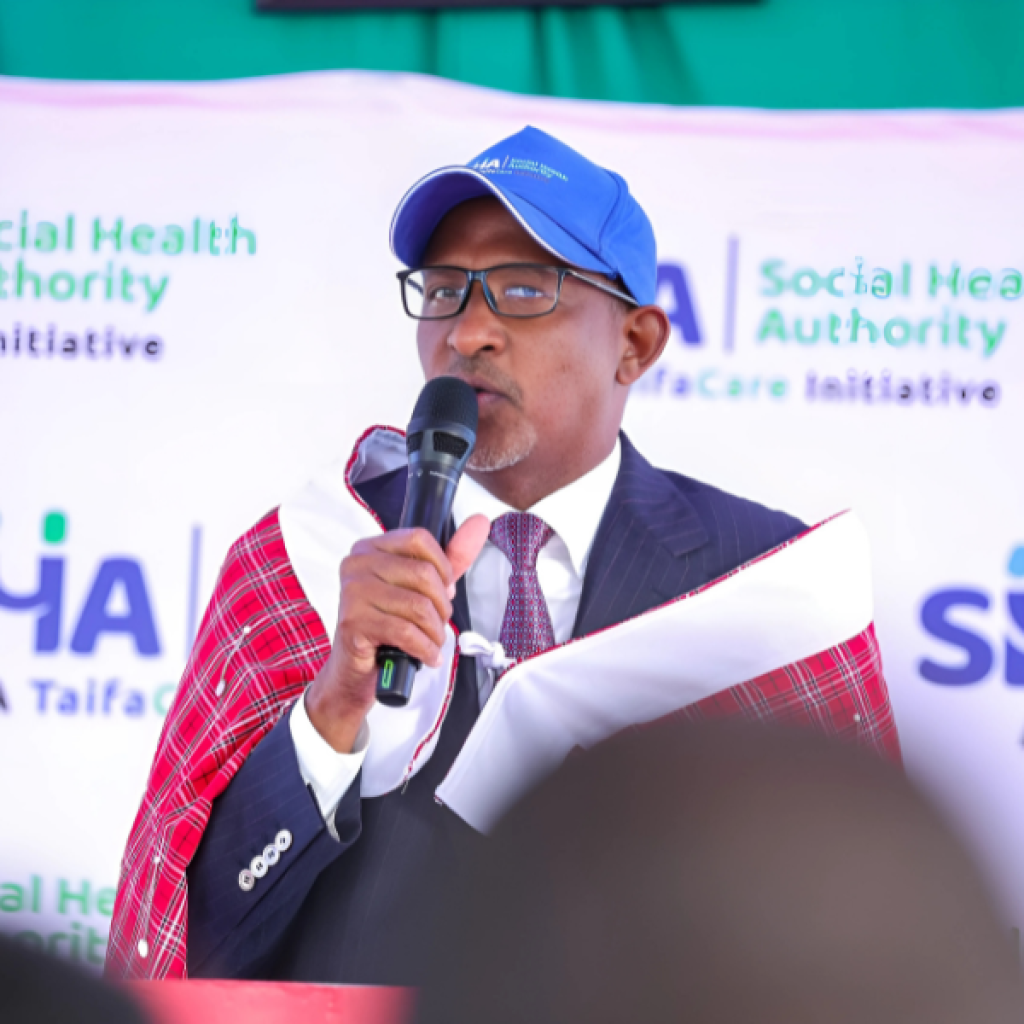
Kenya’s ambitious Social Health Authority (SHA), launched in October 2024 to replace the beleaguered National Health Insurance Fund (NHIF), found itself embroiled in a scandal eerily reminiscent of its predecessor’s failures. Health Cabinet Secretary Aden Duale announced the suspension of 31 hospitals across 12 counties for allegedly defrauding the Sh104 billion healthcare system through fraudulent practices, including ghost patient admissions, double billing, and misuse of pre-authorization codes. The revelations, made during a high-level meeting at SHA’s Nairobi headquarters, have cast a shadow over the government’s promise of a fraud-proof digital healthcare system, raising questions about the effectiveness of reforms aimed at achieving universal health coverage (UHC) under the TaifaCare program.
The SHA was introduced with much fanfare, touted as a revolutionary step toward equitable and accessible healthcare for all Kenyans. Replacing the NHIF, which had been plagued by corruption scandals involving billions of shillings, the new system promised a digital framework to eliminate fraud and streamline healthcare access. “The SHA is designed to ensure every Kenyan can access quality healthcare without financial hardship,” said SHA CEO Mercy Mwangangi during the launch. However, just nine months later, the same malpractices that crippled NHIF—falsified claims, inflated liabilities, and insider manipulation—have resurfaced, undermining public trust and threatening the government’s UHC agenda.
The scope of the fraud is staggering. According to Duale, the 31 suspended facilities, operating in counties such as Kisumu, Kiambu, Bungoma, Busia, Kajiado, Kilifi, Mandera, and Wajir, engaged in coordinated exploitation of SHA’s vulnerabilities. “These facilities think they can continue stealing public money the way they did under NHIF,” Duale said during the meeting, attended by SHA Board Chairperson Abdi Mohamed and Director General for Health Patrick Amoth. “We know of cases where patients share their access codes with hospitals to fraudulently claim services not rendered. That is criminal fraud, and all involved will be prosecuted.” Among the reported malpractices are double billing, where hospitals charged both SHA and patients for the same procedures, and ghost patient admissions, including cases where blood donors were recorded as admitted for five days when the process typically takes three hours.
The fraud echoes NHIF’s troubled history. Just a month before SHA’s launch, investigations revealed that NHIF had lost approximately Sh21 billion through fraudulent claims and overpayments, including Sh368 million attributed to “typing errors.” One notorious case involved the payment platform JamboPay, where NHIF overpaid Sh1.39 billion in commissions before purchasing the system for less than half that amount, exposing a pattern of inflated contracts and procurement violations. “The ghosts of NHIF are haunting SHA,” said Peter Mwangi, a Nairobi-based health policy analyst. “The government promised a clean slate, but the same systemic weaknesses are re-emerging.”
The Ethics and Anti-Corruption Commission (EACC) has also uncovered internal fraud schemes within SHA, including unauthorized system access and ghost services. These findings have fueled public skepticism, with many Kenyans expressing frustration on social media platforms like X. “Changing the name from NHIF to SHA didn’t change the immorality in our system,” one user posted. “We spent Sh104 billion on a new system, only to face the same old problems.” Another user questioned the technology’s effectiveness, writing, “If SHA’s digital system can’t stop doctors and hospitals from manipulating patient codes, we’re back to square one.” The public outcry reflects a broader sentiment that the transition to SHA has failed to deliver on its promise of transparency and accountability.
The fraud allegations have significant implications for President William Ruto’s administration, which has made UHC a cornerstone of its agenda. The SHA was designed to centralize healthcare access under a digital framework, with mandatory registration for all residents and contributions based on income. However, the rollout has been marred by challenges, including a chaotic launch that left patients in five counties locked out of the system without warning. In Nyamira County, for instance, patients queued at a medical center only to find it could no longer process SHA claims, despite being previously cleared by the Kenya Medical Practitioners and Dentists Council. “I’ve been contributing to SHA, but when I needed treatment, the system failed me,” said Mary Wanjiku, a grocery vendor in Nyamira. “We’re still paying out of pocket, just like under NHIF.”
The government has responded with a crackdown, shutting down 35 private health facilities nationwide for non-compliance with SHA guidelines, including the 31 implicated in fraud. Duale has warned that operations to weed out rogue players will continue, emphasizing that “integrity in healthcare is non-negotiable.” The Ministry of Health, in collaboration with the Digital Health Agency and the Kenya Medical Practitioners and Dentists Council, has also downgraded 301 facilities to ensure compliance. “We are committed to protecting every shilling meant for Kenyans’ healthcare,” Duale said, addressing concerns raised by the Catholic Church and other stakeholders who have urged citizens to embrace SHA despite its challenges.
The Catholic bishops, who endorsed SHA as a step toward affordable healthcare, acknowledged public skepticism rooted in NHIF’s failures. “Many Kenyans remain wary because of past scandals,” said Bishop John Mwangi, speaking at a recent forum. “But we believe SHA can work if we address these issues head-on.” The bishops’ support comes at a delicate time, as the government faces pressure to restore confidence in the system. However, the persistence of fraud has led to calls for a judicial inquiry to investigate both the SHA’s operations and the transition from NHIF. “We need a transparent process to uncover how these loopholes persist,” said Ann Wanjiku, director of the Kenya Human Rights Network. “Without accountability, SHA risks becoming another NHIF.”
The transition from NHIF to SHA has also been complicated by internal wrangles. In June 2025, the Employment and Labour Relations Court halted SHA’s recruitment process, ruling that its internal advertisements, restricted to former NHIF staff, were discriminatory. “There could be no ‘internal advertisement’ with respect to the defunct NHIF,” Justice Ongaya stated, ordering SHA to re-advertise jobs. The ruling followed a challenge by a job applicant who argued that the process lacked fairness. Senate Majority Leader Aaron Cheruiyot defended NHIF staff, noting that 95 to 99 percent were hardworking Kenyans deserving of opportunities within SHA. “These are people who served the country well,” he told the Senate. “We cannot discard them because of systemic failures.”
Staff discontent has further hampered SHA’s operations. An anonymous employee revealed that unclear communication and salary disparities from NHIF’s job grades have fueled animosity. “The transition has been poorly managed,” the employee said. “We’re uncertain about our roles and pay, which affects morale.” The Public Service Commission extended the temporary deployment of NHIF staff to SHA until recruitment is finalized, but delays have exacerbated tensions. Meanwhile, a separate controversy involving ghost workers in the UHC program has added to the chaos, with the Kenya National Union of Nurses dismissing claims that thousands of healthcare workers are fictitious. “We are not ghosts,” said Alias Mtai, UHC National Representative. “We’ve been serving in counties, and the government knows who we are.”
The fraud scandal has also highlighted the human cost of a failing healthcare system. Families like that of Baby Arianna, whose mother contributed to NHIF and later SHA, have been forced to fundraise online or sell possessions to cover medical costs. Arianna needed a bone marrow transplant, but despite SHA’s promise of Sh500,000 for overseas treatment, her family faced insurmountable bills. “I trusted the system, but it let us down,” her mother said. Such stories underscore the gap between SHA’s ambitious promises and the reality faced by ordinary Kenyans.
As the government grapples with the crisis, analysts warn that SHA’s credibility hangs in the balance. “The fraud is a devastating blow,” said Mwangi. “If the government doesn’t act decisively, SHA could collapse under the weight of corruption, just like NHIF.” Proposed solutions include strengthening digital safeguards, enhancing oversight by the EACC, and involving community leaders to monitor healthcare facilities. Duale has called for heightened vigilance by the SHA Board, emphasizing that “every policy decision carries profound implications for Kenyans, from the expectant mother in Migori to the cancer patient in Nyeri.”
The coming months will be critical for SHA’s survival. With investigations ongoing and public trust eroding, the government faces pressure to deliver on its UHC promises. For many Kenyans, the hope of affordable, accessible healthcare remains elusive, overshadowed by the ghosts of NHIF’s scandals. “We just want a system that works,” said Wanjiku, echoing the frustrations of millions. As SHA navigates this turbulent period, its ability to address fraud and restore confidence will determine whether it can fulfill its mandate or become another chapter in Kenya’s troubled healthcare history.
Former Kiambu Governor Ferdinand Waititu has secured a major bail reprieve from the High Court, with Justice Winfrida Okwany reducing his bail from Sh53.5 million to Sh20 million cash pending appeal in his ongoing corruption case.
President Ruto and Governor Sakaja signed a cooperation agreement allocating funds for 50,000 new streetlights, water plants saving 50 million litres daily, 27 km Nairobi River sewer and ward road upgrades, with Ruto calling it a partnership to make the city livable while opposition senators warn of devolution threats.
A staff member at Moi Teaching and Referral Hospital allegedly stole Sh10 million by falsifying patient bills as paid in the eCitizen system while diverting the money to her personal account, prompting an ongoing police and hospital investigation.