By Brenda Wereh06 Aug, 202525 mins read 2,300 views
0 comments 0 likes
The Auditor General revealed financial irregularities in the eCitizen platform, including KSh128 million diversion and KSh1.8 billion in unauthorized fees, prompting PAC action.
A storm of controversy brewed across Kenya this morning, Wednesday, August 6, 2025, as the Auditor General’s office released a report uncovering sweeping financial irregularities within the eCitizen platform, a cornerstone of the government’s digital payment system. The findings, unveiled at 9:00 AM East Africa Time during a press briefing in Nairobi, revealed the diversion of over KSh128 million from the official Paybill 222222 to private entities, alongside the unauthorized collection of KSh1.8 billion in convenience fees. The revelations have sent shockwaves through the public, prompting an immediate response from Members of Parliament on the Public Accounts Committee (PAC), chaired by Butere MP Tindi Mwale. The committee has demanded the government halt the use of the platform, citing its flawed operation and lack of legal grounding. A shopkeeper in Kisumu, arranging goods on his counter, said, "If they’re stealing from us through eCitizen, how can we trust it?"
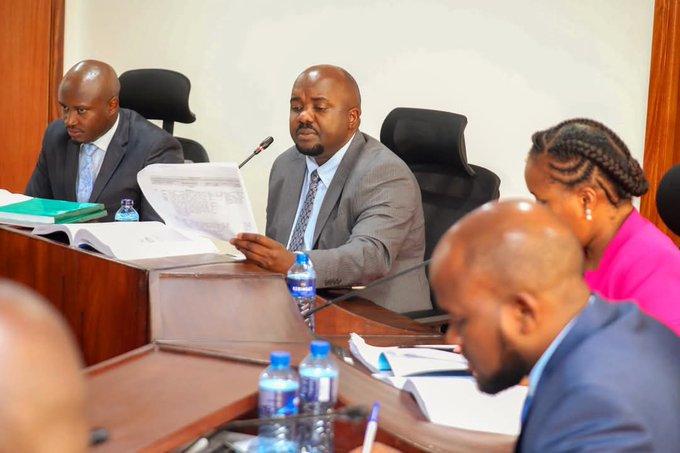
The report detailed how funds intended for public services, collected via Paybill 222222, were siphoned into private accounts, raising serious questions about oversight and accountability. The KSh1.8 billion in unauthorized convenience fees, charged without clear legal mandate, further fueled the outrage, as citizens have been paying these amounts for years without full transparency. In Nakuru, a farmer irrigating his fields paused to listen to the radio, noting, "I pay those fees every time I renew my license; where is that money going?" The PAC, meeting urgently at Bunge Towers, has summoned Treasury Principal Secretary Chris Kiptoo, ICT Principal Secretary John Tanui, and Immigration and Citizen Services Principal Secretary Belio Kipsang to appear before the committee on Thursday, August 7, to address these discrepancies. Mwale, addressing reporters, stated, "This system lacks a legal foundation and must be stopped until we get answers."
Public reaction has been a blend of anger and disbelief. In Mombasa, a teacher preparing lessons for her students heard the news and said, "We use eCitizen for everything; if it’s corrupt, what do we do now?" The platform, launched to streamline government services and reduce cash handling, has become a daily tool for millions, from paying utility bills to obtaining identification documents. The diversion of KSh128 million, traced to specific private entities through bank transactions, suggests a deliberate breach, while the KSh1.8 billion in fees highlights a systemic failure in regulatory controls. A youth leader in Naivasha, organizing a community forum, added, "This is our money; they can’t just take it without explanation."
The PAC’s demand to suspend the platform reflects growing frustration among lawmakers, who argue that its operation lacks a statutory basis. Mwale emphasized the absence of a standard operating agreement, calling it a critical flaw that exposes the system to abuse. The committee’s decision to summon Kiptoo, Tanui, and Kipsang underscores the cross-ministry nature of the issue, involving the National Treasury, ICT, and Immigration sectors. In Eldoret, a driver fueling his matatu remarked, "If the PSs don’t explain this on Thursday, we need new leaders." The summons, set for tomorrow at 10:00 AM, will require the officials to provide detailed accounts of the platform’s financial management and the legal framework—or lack thereof—governing its use.
Communities across Kenya are beginning to voice their concerns. In rural Kitale, a herder tending cattle caught a radio update and said, "My family pays through eCitizen; this feels like a betrayal." The unauthorized fees, often a flat rate added to transactions, have been a hidden cost for citizens, with the report suggesting they were collected without proper gazettement. In Nyeri, a mother feeding her children expressed worry, "I hope they fix this before we lose more money." The PAC plans to review transaction records and demand documentation from the summoned officials, a process expected to shed light on how the diversions occurred and who benefited.
The morning’s revelations drew a range of responses. In Thika, a father waiting at a clinic said, "My business relies on eCitizen; this could ruin us if it shuts down." In Baringo, a community elder leading a discussion noted, "We need to know who allowed this to happen." The Auditor General’s report highlighted weak internal controls, with funds moved to private accounts in four documented instances, totaling the KSh128 million. The KSh1.8 billion figure spans several years, indicating a long-standing issue that escaped scrutiny until now. A health worker in Kisii, coordinating a vaccination drive, added, "This affects every service we offer; we need transparency."
As the day progressed, the story reached remote areas. In Marsabit, a herder listening to a radio broadcast said, "Our payments should stay with the government, not private hands." In Mombasa’s markets, a vendor packing fish asked, "Will they refund us the fees we paid?" The PAC’s stance has gained traction, with some MPs suggesting a forensic audit to trace the diverted funds. The committee’s meeting tomorrow will be a critical test, with Kiptoo, Tanui, and Kipsang expected to face tough questions about their oversight roles. A student in Nairobi, reading updates online, noted, "This could change how we use government services."
The afternoon brought a reflective mood to offices and homes. In Eldoret, a public servant preparing a report said, "If the system is illegal, why was it running for so long?" In Kisumu, a mother checking on her family added, "My husband pays those fees; we deserve answers." The lack of a legal anchor for eCitizen, as pointed out by Mwale, suggests it operates on executive directives rather than parliamentary approval, a point likely to dominate Thursday’s session. A community organizer in Turkana, planning a radio talk, remarked, "We can’t let this slide; it’s our tax money." The issue’s scale, with billions unaccounted for, has raised broader questions about digital governance.
Legal experts are weighing in on the implications. In Nairobi, a lawyer discussing over tea said, "Without a law, these transactions could be deemed void." The diversion of KSh128 million to private entities points to potential corruption, while the KSh1.8 billion in fees suggests a revenue stream that bypassed oversight. A vendor in Timau, closing his stall, said, "Let’s hope they get to the bottom of this." The PAC’s demand to halt the platform could disrupt services, prompting calls for a transitional plan. A father in Nyahururu, walking home with his family, added, "We need a system we can trust again."
The evening saw continued engagement across the country. In Nakuru, a group at a market debated the news. "Who’s pocketing that money?" one trader asked, sorting vegetables. In Kakamega’s cyber cafes, a student scrolling through reactions noted, "People are demanding action now." The DCI may be involved if evidence of criminal intent emerges, though the focus remains on the Thursday hearing. A youth leader in Kitale, organizing an event, reflected, "This is a wake-up call for better oversight." As Kenya confronts this financial scandal, the outcome of the PAC session will shape the future of eCitizen and public trust in digital platforms.
Former Kiambu Governor Ferdinand Waititu has secured a major bail reprieve from the High Court, with Justice Winfrida Okwany reducing his bail from Sh53.5 million to Sh20 million cash pending appeal in his ongoing corruption case.
President Ruto and Governor Sakaja signed a cooperation agreement allocating funds for 50,000 new streetlights, water plants saving 50 million litres daily, 27 km Nairobi River sewer and ward road upgrades, with Ruto calling it a partnership to make the city livable while opposition senators warn of devolution threats.
A staff member at Moi Teaching and Referral Hospital allegedly stole Sh10 million by falsifying patient bills as paid in the eCitizen system while diverting the money to her personal account, prompting an ongoing police and hospital investigation.