In a landmark meeting chaired by President William Ruto at State House, Nairobi, on June 24, 2025, Kenya’s Cabinet unveiled a series of transformative policies and projects aimed at reshaping the nation’s economic and social landscape. The decisions, announced in a detailed dispatch, reflect the government’s commitment to modernizing infrastructure, reforming state-owned enterprises, advancing affordable housing, curbing substance abuse, and bolstering education. From the approval of the Government-Owned Enterprises Bill 2025 to the greenlighting of major infrastructure projects like the Nairobi Northern Bypass dualling and the Nairobi Railway City Central Station, the Cabinet’s actions signal a bold push toward the Bottom-Up Economic Transformation Agenda.
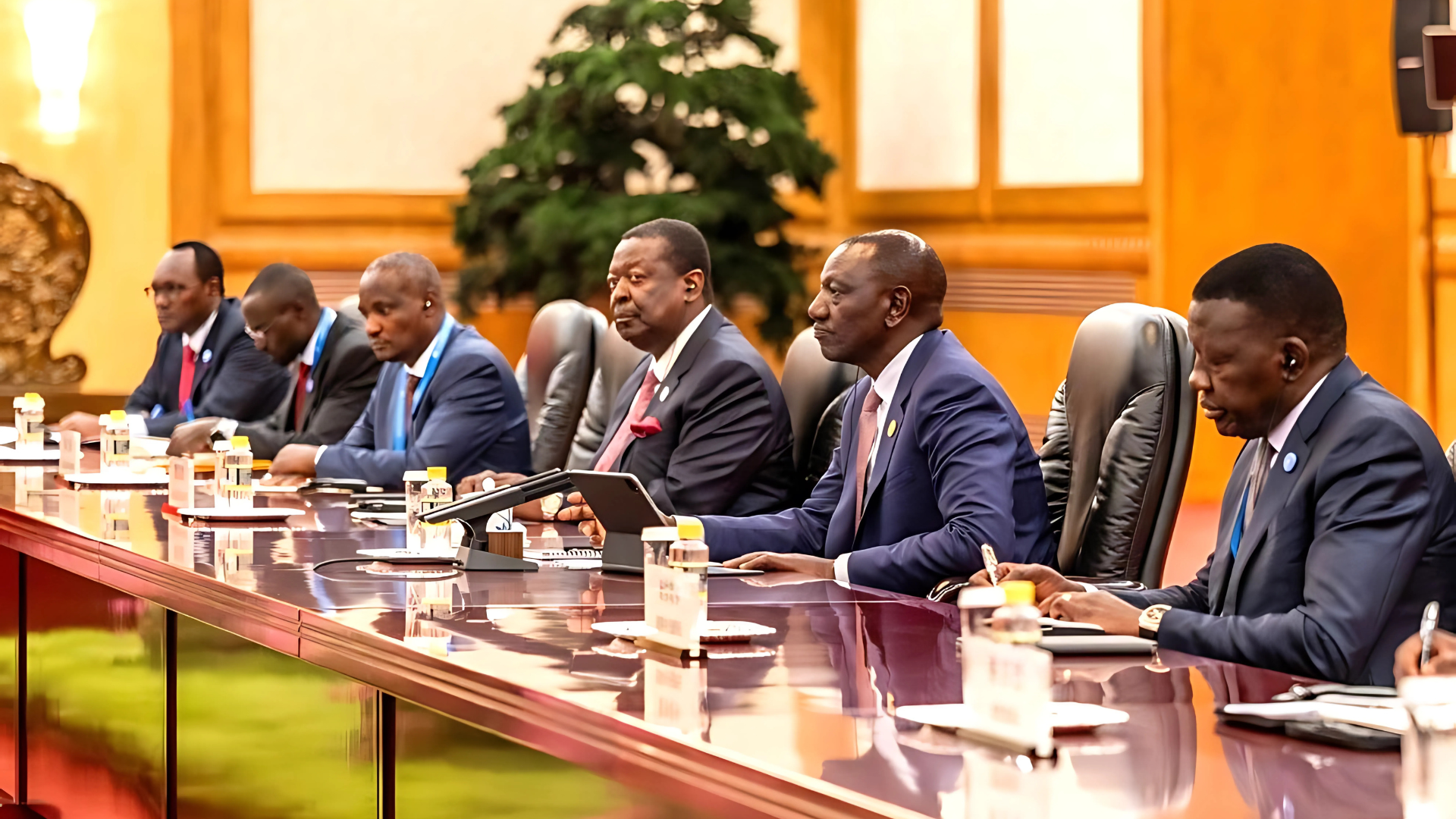
The Government-Owned Enterprises Bill 2025, a cornerstone of the Cabinet’s decisions, seeks to overhaul the governance and performance of Kenya’s commercial state corporations. The bill introduces a new category of entities known as Government-Owned Enterprises, designed to operate with greater efficiency and accountability. “This legislation marks a turning point for our state corporations,” said a senior official during the briefing. “By establishing merit-based leadership selection and independent oversight, we are ensuring these entities serve Kenyans effectively while contributing to our economic goals.” The bill aims to address longstanding issues of mismanagement and underperformance, aligning state enterprises with global best practices to drive profitability and public service delivery.
Infrastructure development took center stage with the approval of the Nairobi Northern Bypass dualling project. Spanning 20.2 kilometers from Ruaka in Kiambu to Ruiru, the bypass is Nairobi’s only remaining single-carriageway bypass, plagued by heavy congestion during peak hours. The project will transform the road into a dual carriageway, incorporating eight interchanges, overpasses, underpasses, and non-motorized transport facilities like walkways and cycle paths. “The dualling of the Nairobi Northern Bypass is a game-changer for the Nairobi metropolitan area,” said a transport ministry official. “It will reduce travel delays, cut transport costs, and enhance access to economic hubs and essential services.” The upgrade is expected to alleviate the gridlock that hampers productivity and increases pollution, fostering smoother connectivity between Nairobi and Kiambu counties.
Equally significant was the Cabinet’s endorsement of the Nairobi Railway City Central Station and Public Realm Project, a flagship initiative to decongest Nairobi’s Central Business District and position it as a modern, multimodal transport hub. Spanning 425 acres of underutilized land owned largely by Kenya Railways, the project includes a state-of-the-art station with nine platforms capable of evacuating 30,000 people per hour. “This is not just a railway station; it is a vision for Nairobi’s future,” said a Kenya Railways spokesperson. “The Nairobi Railway City will unlock economic potential, create jobs, and transform the city’s skyline.” The project also features public realm improvements, such as pedestrian-friendly spaces and commercial zones, and is supported by funding for key transport links, including Bus Rapid Transit Line 3 and a Standard Gauge Railway connection to Jomo Kenyatta International Airport.
The Cabinet also approved the Affordable Housing Regulations 2024, operationalizing the Affordable Housing Programme, a key pillar of the government’s economic agenda. The regulations reduce the deposit for housing units to 5 percent, making homeownership more accessible to low- and middle-income Kenyans. They also establish a framework for eligibility, application processes, and voluntary savings schemes. “These regulations are about giving every Kenyan a chance to own a decent home,” said the Cabinet Secretary for Housing. “By lowering the deposit and streamlining processes, we are bringing the dream of homeownership closer to reality.” The initiative, backed by the Affordable Housing Fund, aims to deliver thousands of units while fostering social and physical infrastructure development.
Public procurement processes are set to undergo significant reform with the approval of the Public Procurement and Asset Disposal (Amendment) Bill 2025. The bill introduces e-procurement systems to enhance transparency and efficiency, aligning with the “Buy Kenya, Build Kenya” strategy. It also strengthens preferences for local firms and products, aiming to boost domestic industries. “This amendment will cut bureaucracy and ensure public resources are used effectively,” said a National Treasury official. “By embracing digital platforms, we are reducing opportunities for corruption and speeding up service delivery.” The bill responds to calls for modernization in a sector often criticized for delays and inefficiencies, promising to streamline operations across government agencies.
In a move to address public health challenges, the Cabinet adopted the National Policy on the Prevention of Alcohol, Drugs, and Substance Use 2025. The policy strengthens the mandate of the National Authority for the Campaign Against Alcohol and Drug Abuse (NACADA), introducing stricter regulations on alcohol sales and advertising. It includes measures to protect individuals under 21 and those who abstain, such as restricting alcohol outlets near schools and religious institutions. “Substance abuse is a silent crisis that affects our families and communities,” said a health ministry official. “This policy equips NACADA to tackle it head-on while safeguarding our youth.” The policy also promotes rehabilitation programs and public awareness campaigns to curb addiction.
Education received a significant boost with the approval of the Higher Education, Science, and Technology Phase II Project, aimed at enhancing the quality and relevance of STEM education. The initiative will modernize facilities, train educators, and align curricula with industry needs to prepare students for a technology-driven economy. “Investing in STEM is investing in Kenya’s future,” said the Cabinet Secretary for Education. “This project will equip our youth with the skills to innovate and compete globally.” The program is expected to create opportunities for research and development, positioning Kenya as a hub for technological advancement in the region.
The decisions come at a critical juncture, as Kenya navigates economic challenges and public demands for accountability. The approval of these initiatives reflects the government’s multifaceted approach to addressing urban congestion, housing shortages, and social issues while fostering economic growth. However, the ambitious scope of these projects has sparked debate among analysts, with some questioning funding mechanisms and implementation timelines. The Nairobi Railway City and Northern Bypass projects, for instance, rely on a mix of public and private investment, raising concerns about transparency in public-private partnerships.
Public reaction has been mixed, with some Kenyans expressing optimism about the potential for job creation and improved infrastructure, while others remain skeptical about the government’s ability to deliver. Social media platforms have been abuzz with discussions, with many praising the focus on affordable housing and STEM education but calling for vigilance to ensure funds are used effectively. The memory of last year’s protests against the Finance Bill 2024, which saw public outrage over proposed tax hikes, looms large, underscoring the need for clear communication and public engagement.
As the government moves to implement these initiatives, coordination across ministries and counties will be crucial. The Nairobi Railway City project, for example, involves collaboration between Kenya Railways, the Ministry of Roads and Transport, and Nairobi City County, requiring seamless integration to meet its 2033 strategic plan. Similarly, the success of the Affordable Housing Regulations depends on effective management of the Affordable Housing Fund and public trust in the allocation process.
President Ruto, addressing the nation after the Cabinet meeting, emphasized the government’s commitment to delivering tangible results. “These decisions are about building a Kenya that works for everyone,” he said. “From better roads to affordable homes and quality education, we are laying the foundation for a prosperous future.” His remarks reflect the administration’s broader vision of transforming Kenya into a regional economic powerhouse, though challenges such as funding constraints and public scrutiny remain.
The coming months will be critical as these projects transition from approval to implementation. The government has pledged to prioritize transparency and stakeholder engagement, particularly for initiatives like the Nairobi Railway City, which is expected to create 5,000 jobs during its first two phases. For now, the Cabinet’s decisions have set an ambitious agenda, signaling a renewed focus on infrastructure, governance, and social welfare in Kenya’s pursuit of sustainable development.