By Brenda Wereh12 Aug, 202533 mins read 2,350 views
0 comments 0 likes
Busia Governor Paul Otuoma backs EACC investigation into a KSh 1.4B tender fraud involving six county officials. Full details of the probe here.
Busia County, located in Kenya’s Western region, has been thrust into the national spotlight following a high-profile investigation by the Ethics and Anti-Corruption Commission (EACC).
The probe, centered on allegations of procurement irregularities, conflict of interest, theft of public funds, and unexplained wealth, targets six senior county officials and involves tenders worth Ksh1.4 billion. The investigation has sent shockwaves through the county’s administration, raising questions about governance, transparency, and accountability under Governor Paul Nyongesa Otuoma’s leadership. In response, Governor Otuoma has publicly backed the EACC’s efforts, emphasizing his commitment to rooting out corruption and ensuring justice.
On August 6, 2025, EACC detectives conducted coordinated raids on the offices and residences of six senior Busia County officials, marking a significant escalation in the commission’s anti-corruption efforts. The operation, backed by court orders, targeted three County Executive Committee (CEC) members, one Chief Officer, and two directors, who are accused of orchestrating a complex scheme involving tenders worth Ksh1.4 billion. According to the EACC, these tenders, awarded during the 2023/24 and 2024/25 financial years, were funneled to 26 proxy companies allegedly operated by the suspects’ family members and close associates. The allegations include procurement irregularities, conflicts of interest, theft of public funds, and the accumulation of unexplained wealth disproportionate to the officials’ known sources of income.
During the raids, EACC detectives seized critical documents, electronic devices, and financial records, which are expected to form the backbone of the case against the suspects. The officials were subsequently escorted to the EACC Western Regional Offices in Bungoma for interrogation and statement recording. The commission has signaled its intent to pursue prosecution and asset recovery for any unexplained wealth linked to corrupt practices. This investigation is one of 71 active cases involving Busia County officials reported in the past year, highlighting a troubling pattern of alleged corruption within the county’s administration.
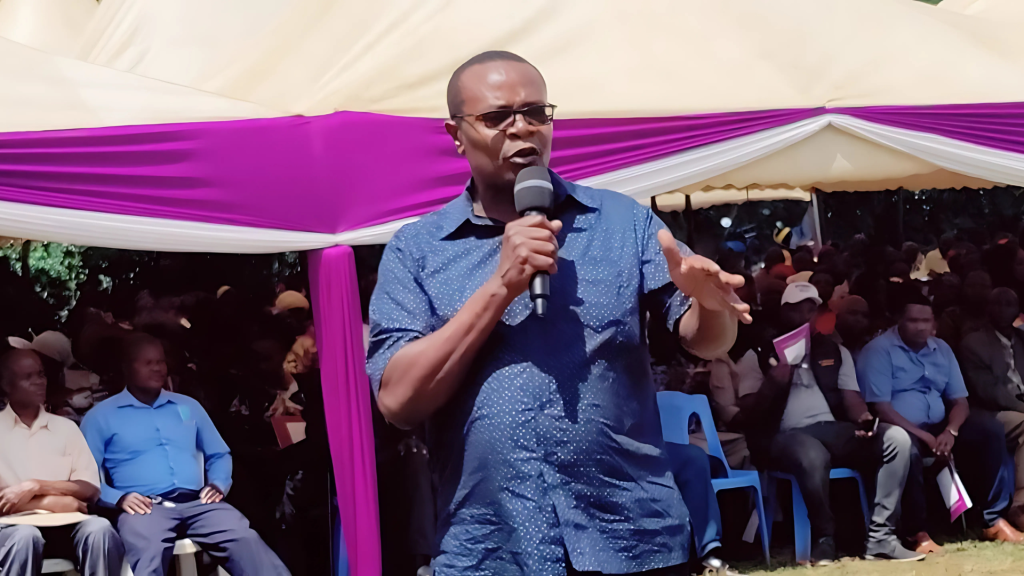
Governor Paul Otuoma has taken a proactive stance in addressing the EACC probe, publicly affirming his support for the investigation. In a statement reported by KBC Channel 1 on August 11, 2025, Otuoma confirmed his cooperation with the EACC, emphasizing that his administration is committed to transparency and accountability. “I am working closely with the EACC in the ongoing investigation concerning six senior officials of Busia County linked to fraud in a Ksh1.4 billion tender,” Otuoma stated, as translated from Swahili. His public endorsement of the probe is seen as an attempt to distance himself from the scandal and reinforce his administration’s anti-corruption credentials.
Otuoma’s response comes amid intense scrutiny of his leadership, particularly as the 2027 general elections approach. The governor has faced additional allegations of mismanagement and nepotism, including a separate EACC investigation into the irregular recruitment of 39 directors and deputy directors within the county government. Furthermore, a controversial land deal involving the proposed purchase of Amoni Market land for Ksh200 million—land already owned by the county—has fueled accusations of corruption and abuse of office. Busia Senator Okiya Omtatah, a vocal critic, has accused county officials of subdividing the land and issuing new titles to proxies, prompting further EACC scrutiny.
In response to these allegations, Otuoma’s administration has dismissed claims of wrongdoing as “fabricated, baseless, and politically motivated.” A press release from the county government accused Senator Omtatah of conducting an unauthorized audit of county accounts and misrepresenting facts for political gain. The statement also warned that Omtatah’s actions may violate the Leadership and Integrity Act and the Penal Code, hinting at potential legal action against the senator. This public feud underscores the deepening political tensions in Busia County, with Otuoma’s administration battling to maintain credibility amid mounting accusations.
The EACC probe into the Ksh1.4 billion tender scandal is not an isolated incident but part of a broader pattern of governance challenges in Busia County. The county has been plagued by allegations of corruption, mismanagement, and poor service delivery, despite receiving billions in devolved funds annually. A separate investigation into the Ksh24.8 million Changara Water Pan project has also implicated Otuoma’s administration, with the EACC nearing completion of its probe into alleged irregularities. Additionally, the Auditor-General, Nancy Gathungu, has called for EACC investigations into suspected financial malpractices in the county, further highlighting systemic issues.
Senator Omtatah has been a prominent voice in exposing these issues, particularly in the areas of healthcare and land management. He has criticized the county’s healthcare system, citing inadequate infrastructure, drug shortages, delayed salaries, and a lack of qualified personnel. Flagship facilities like the Busia County Referral Hospital, designated as a Level 5 institution, are reportedly operating below capacity, forcing residents to seek care outside the county. Omtatah has also highlighted the questionable expenditure of Ksh4.9 million on consultancies and the abandonment of health facilities, calling for urgent intervention by the Senate Standing Committee on Health.
The EACC’s summoning of 39 county officials over allegations of nepotism in hiring practices further compounds the governance crisis. These officials, including directors and deputy directors, are accused of irregular recruitment by the County Public Service Board, raising questions about the integrity of Otuoma’s administration. The convergence of these investigations paints a troubling picture of entrenched corruption networks and institutional decay, undermining public trust in the county government.
The unfolding scandal has significant political implications, particularly as the 2027 general elections loom. Senator Omtatah’s aggressive anti-corruption stance has positioned him as a formidable challenger to Otuoma’s leadership. By exposing alleged land grabs and financial mismanagement, Omtatah is cultivating an image as a champion of transparency and accountability, potentially strengthening his political base. Meanwhile, Otuoma’s administration faces the daunting task of containing the damage and restoring public confidence. The governor’s public support for the EACC probe may be a strategic move to align himself with the anti-corruption agenda, but it risks alienating allies within his administration who may be implicated in the scandal.
The public feud between Otuoma and Omtatah also reflects broader tensions within Busia County’s political landscape. The county government’s accusation that Omtatah’s actions are politically motivated suggests a deepening divide between the executive and legislative arms. This conflict could further polarize the county’s political environment, complicating efforts to address systemic governance issues. The outcome of the EACC investigations, including potential prosecutions and asset recovery, will likely shape the political narrative in Busia and influence voter sentiment in the lead-up to 2027.
The EACC probe has sparked widespread outrage among Busia residents, who are frustrated by the persistent allegations of corruption and the county’s lagging development. Social media platforms, particularly X, have been abuzz with discussions about the scandal, with many users expressing support for the EACC’s actions and calling for justice. The raids and arrests have been seen as a step toward accountability, but there is also skepticism about whether the investigations will lead to meaningful consequences for those involved. The EACC’s commitment to prosecuting culpable officials and recovering stolen assets will be closely watched, as will Otuoma’s ability to navigate the crisis without further damaging his administration’s reputation.
For Busia County to move forward, several steps are necessary. First, the EACC must ensure a thorough and impartial investigation, with swift action against those found guilty. Asset recovery will be critical to restoring public resources and deterring future corruption. Second, Otuoma’s administration must implement robust governance reforms, including stricter oversight of procurement processes and recruitment practices. Addressing the healthcare crisis and other service delivery challenges will also be essential to rebuilding public trust. Finally, political leaders must prioritize unity and collaboration over partisan conflicts to address the county’s systemic issues effectively.
The EACC’s probe into the Ksh1.4 billion tender scandal has placed Busia County at a critical juncture. Governor Paul Otuoma’s public support for the investigation signals his intent to confront corruption head-on, but his administration faces significant challenges in addressing the broader governance crisis. The allegations of procurement irregularities, nepotism, and land grabbing have exposed deep-seated issues that undermine the county’s development and erode public trust. As the EACC continues its investigations, the people of Busia await answers and justice. The outcome of this scandal will not only shape the county’s future but also serve as a litmus test for Kenya’s broader fight against corruption. With the 2027 elections on the horizon, the stakes could not be higher for Otuoma and his administration.
Former Kiambu Governor Ferdinand Waititu has secured a major bail reprieve from the High Court, with Justice Winfrida Okwany reducing his bail from Sh53.5 million to Sh20 million cash pending appeal in his ongoing corruption case.
Kenya National Highways Authority names Eng. Luka Kipchumba Kimeli as Director General while Kenya Roads Board appoints Judith Otsyula to the same role in major leadership changes for Kenya's roads sector.
Kenya’s Committee on Communication, Information and Innovation has rejected calls for a complete ban on TikTok, instead proposing mandatory local storage of Kenyan user data and full compliance with national laws in a report adopted for debate in the National Assembly.